 Pin it
 The first time I encountered Shuwa, it wasn't in a restaurant or from a recipe book—it was wafting through my neighbor's kitchen on a Saturday morning, a smell so complex and intoxicating that I had to ask what was happening behind closed doors. She laughed and explained it was Omani Shuwa, meat that had been marinating overnight and was now slow-cooking into submission in her oven. By evening, when she invited me over, the entire building smelled like cardamom, cinnamon, and something almost smoky, and one bite of that impossibly tender lamb changed how I understood what patience in cooking could achieve.
I made this for my sister's birthday dinner last spring, timing the marinade to start the night before so the meat would be ready by afternoon. Watching her face when she unwrapped that first bite—the meat falling apart with just a fork—made me understand why this dish has been a celebration food in Oman for generations. It's the kind of meal that makes people slow down and actually taste what's in front of them.
Ingredients
- Bone-in lamb shoulder or leg (2.5 kg): The bone adds incredible depth to the cooking liquid and keeps the meat moist; beef or goat work beautifully too if you prefer.
- Garlic paste (4 tbsp): Fresh minced garlic creates a more assertive flavor than jarred; don't skip making this yourself.
- Ginger paste (2 tbsp): A warming counterpoint to the heavier spices, adding brightness that prevents the dish from feeling heavy.
- Ground coriander (2 tbsp): This is the spice that gives Shuwa its signature character—don't substitute with whole seeds.
- Ground cumin (1.5 tbsp): Earthy and slightly nutty, it anchors the spice blend without overpowering.
- Ground cinnamon, cardamom, black pepper (1 tbsp each): These three create the warm, layered complexity that makes you go back for another bite.
- Ground cloves (2 tsp): A little goes a long way; they add an almost floral undertone.
- Paprika and turmeric (2 tsp and 1 tsp): They bring color and subtle earthiness without heat.
- Chili powder (2 tsp): Keep tasting as you mix the marinade and adjust this to your comfort level.
- Salt (2 tsp): Crucial for drawing out the meat's natural juices; taste and adjust after mixing.
- White vinegar (1/4 cup): The acidity tenderizes the meat and cuts through the richness of the spices.
- Vegetable oil (1/4 cup): Helps the spice paste cling to the meat and keeps it moist during cooking.
- Lemon juice (from 2 lemons): Fresh citrus adds a final brightness that ties the whole dish together.
- Banana leaves (4-6 large): They impart a subtle, authentic flavor and steam the meat gently; if you can't find them, parchment paper works but tastes slightly different.
- Kitchen twine or food-safe foil: For sealing the package securely so no moisture escapes.
Tired of Takeout? 🥡
Get 10 meals you can make faster than delivery arrives. Seriously.
One email. No spam. Unsubscribe anytime.
Instructions
- Build Your Spice Paste:
- Whisk together all the spices, pastes, vinegar, oil, and lemon juice in a large bowl until you have a thick, fragrant paste that coats the back of a spoon. The aroma at this stage should make your mouth water—if it doesn't, you might need to adjust your spice quantities.
- Score and Season the Meat:
- Using a sharp knife, make deep diagonal cuts all over the meat, spacing them about 2 inches apart and cutting at least halfway through the thickness. Work the spice paste into every cut and over every surface, as if you're giving the meat a full massage; this is where the flavor truly penetrates.
- Let Time Do Its Work:
- Cover the meat and refrigerate for at least 8 hours, though 24 hours is ideal and will give you deeper, more complex flavors. The longer it sits, the more the spices marry with the meat's natural juices.
- Prepare Your Oven and Wrap:
- Preheat your oven to 160°C (320°F) about 30 minutes before cooking. Lay out your banana leaves and carefully wrap the marinated meat in them, then secure tightly with kitchen twine or wrap the whole package in foil to create an airtight seal.
- Slow Cook Until Magic Happens:
- Place the wrapped meat in a deep roasting pan, cover with a lid or additional foil, and roast for 4 to 6 hours depending on your oven's behavior and the exact size of the meat. The meat is done when a fork slides through it like butter and the aroma is so intense you can barely stand it.
- Unwrap and Serve:
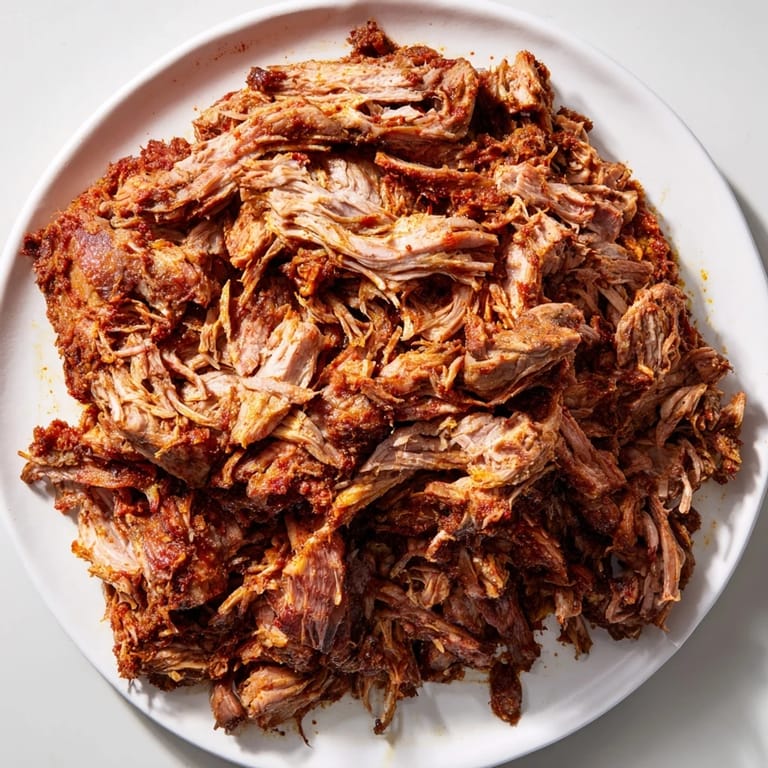
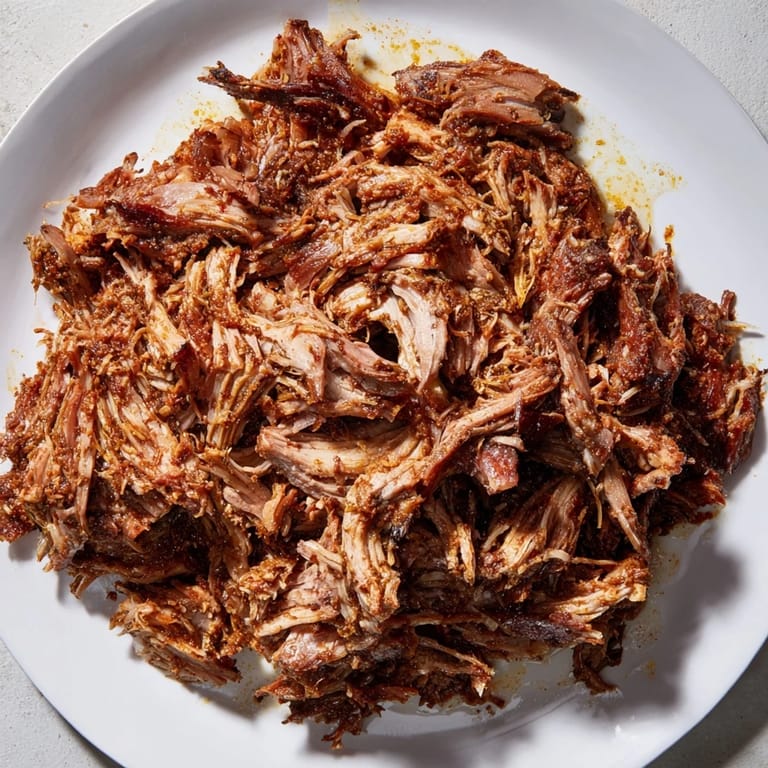
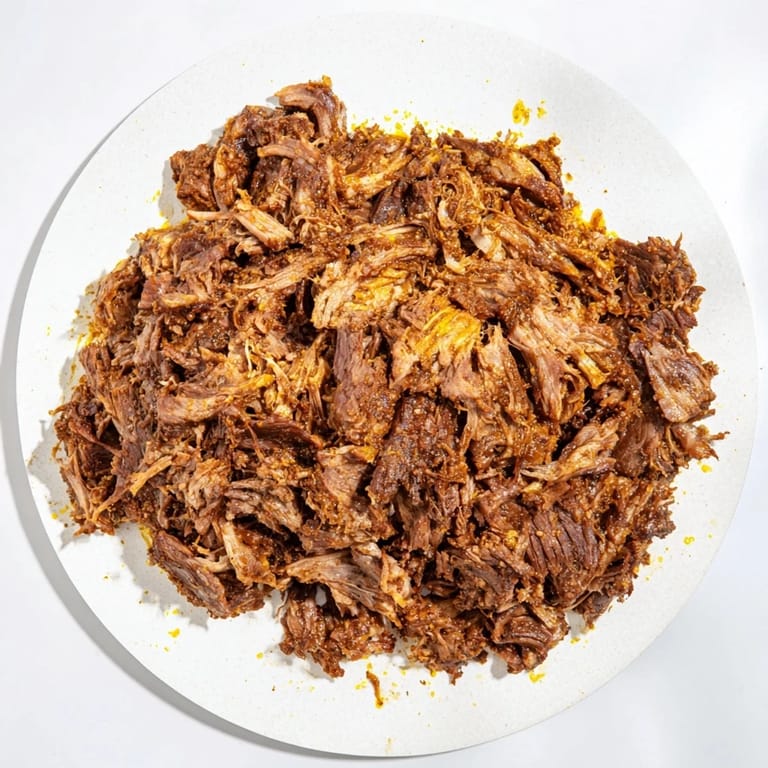
- Carefully unwrap the meat (watch out for the steam), shred or carve it, and serve with the cooking juices spooned over top. If you want extra smokiness, you can quickly grill the unwrapped meat under the broiler before plating.
 Pin it
 There's a moment, usually around hour four of cooking, when you peek under the foil and the smell hits you so hard that you just stand there breathing it in, knowing that whatever comes out of that oven is going to be unforgettable. That's when you realize this isn't just a recipe—it's a ritual.
Choosing Your Meat
Lamb is traditional and delivers the most authentic Omani experience, but I've made this successfully with beef chuck and even goat meat. The key is choosing a cut with good marbling and connective tissue that breaks down during the long cook—bone-in is always better than boneless because the bone adds gelatin and body to the cooking liquid. Shoulder cuts are more forgiving than leg meat because they have more fat, so if you're nervous, go with shoulder.
The Spice Proportions Matter
This isn't a recipe where you can halve all the spices if you're making a smaller batch; the ratios are delicate and designed to work with the full amount of meat. That said, your palate is your own—if you find cinnamon or cloves overpowering, use less next time. I always taste the raw marinade on my fingertip before I commit it to the meat, so I know exactly what I'm getting into.
Serving and Storage Wisdom
Shuwa is best served warm with spiced rice, a fresh salad, and cooling yogurt sauce to balance the richness and heat of the spices. Leftovers keep beautifully in the refrigerator for up to four days and actually taste richer the next day as the flavors continue to marry. This is one of those rare dishes that genuinely improves with time, so make extra without guilt.
- Shred any leftover meat and use it for sandwiches, grain bowls, or even rolled into flatbread with yogurt sauce.
- The cooking liquid can be strained and used as a sauce or reduced down to a concentrated glaze for drizzling.
- If you're cooking for a crowd, this scales beautifully—just plan extra oven time and make sure your pan is large enough to hold everything comfortably.
 Pin it
 This dish has a way of slowing down a meal and turning it into an event, which feels increasingly precious in a world that moves too fast. Make it for people you want to linger with over dinner.