 Pin it
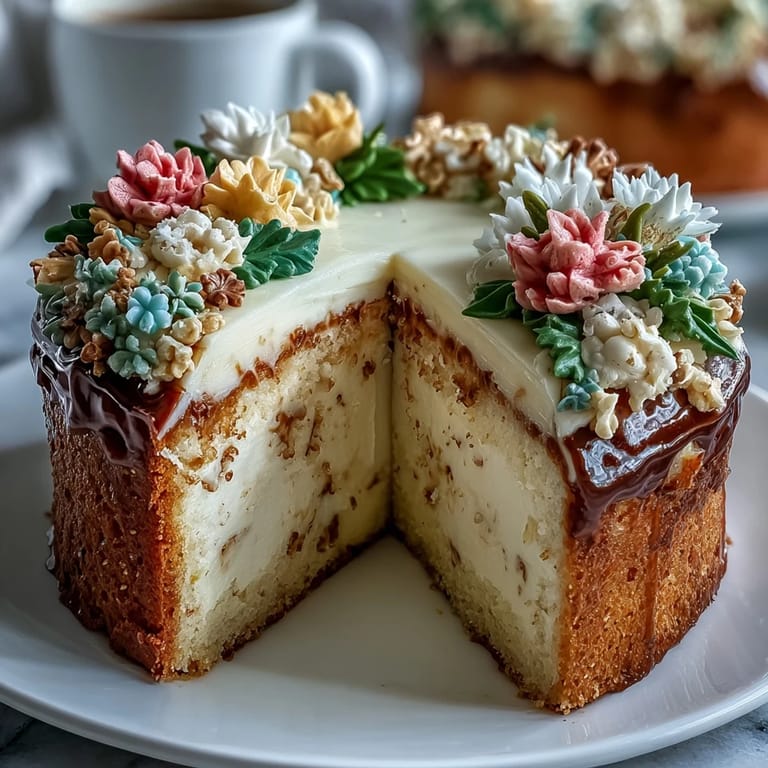
 There's something about baking a cake for a milestone that changes how you approach the whole thing. My cousin asked me to make her daughter's First Communion cake, and suddenly I wasn't just mixing flour and sugar—I was creating something that would sit in the center of a celebration, surrounded by family photos and first blessings. This vanilla sheet cake came together in my kitchen on a quiet Friday morning, and by the time those buttercream flowers were piped on, I understood why people keep coming back to this recipe: it's dependable, beautiful, and tastes like genuine care.
I'll never forget watching my cousin's husband carefully cut the first slice while their daughter beamed in her white dress. The cake was steady, the flowers stayed put, and nobody could believe I'd made it myself instead of ordering from the bakery down the street. That's when I realized this recipe works because it respects both the occasion and the baker—no shortcuts that backfire, no techniques that require a steady hand you don't have.
Ingredients
- All-purpose flour (2 ½ cups): The foundation that needs whisking with baking powder and salt first—don't skip this step, as it distributes the leavening evenly and prevents dense pockets.
- Baking powder (2 ½ tsp): This is what lifts the cake and keeps it tender; make sure yours isn't expired or your cake will be flat and disappointing.
- Unsalted butter (1 cup for cake, 1 ½ cups for frosting): Softened butter creams properly with sugar and creates that light, fluffy crumb; cold butter fights back and leaves lumps.
- Granulated sugar (2 cups): It's not just sweetness—sugar aerates the batter when beaten with butter, creating tiny air pockets that make the cake tender.
- Eggs (4 large, room temperature): Room temperature eggs blend seamlessly into the batter; cold eggs create a curdled-looking mixture that bakes into a denser cake.
- Pure vanilla extract (1 tbsp for cake, 2 tsp for frosting): The vanilla is what makes people ask if there's almond extract in there; it brightens everything without being obvious.
- Whole milk (1 cup for cake, ¼ cup for frosting): Milk adds moisture and creates a tender crumb; some bakers use buttermilk here for tanginess, but whole milk keeps it classic.
- Powdered sugar (6 cups, sifted): Sifting removes lumps before you start, which means smoother frosting and no gritty texture on your piping flowers.
- Food coloring: Gel coloring stays vibrant without thinning the frosting the way liquid coloring does—this matters when you're piping delicate flowers.
Tired of Takeout? 🥡
Get 10 meals you can make faster than delivery arrives. Seriously.
One email. No spam. Unsubscribe anytime.
Instructions
- Set the stage:
- Preheat your oven to 350°F and grease that 9x13-inch pan generously; line it with parchment paper so the cake releases cleanly. This two-step pan prep prevents sticking and makes turning out the cake onto the cooling rack feel effortless.
- Build your dry ingredients:
- Whisk flour, baking powder, and salt together in a medium bowl—this distributes the leavening evenly throughout. You'll see the flour lighten slightly as you whisk, which is the baking powder doing its job.
- Cream butter and sugar:
- Beat softened butter and sugar together for about 3 minutes until it looks pale, fluffy, and almost mousse-like. This is where the magic happens; you're incorporating air that will make the cake tender.
- Add eggs one at a time:
- Drop each egg in, mix thoroughly, then add the next—this prevents the batter from looking separated and broken. After all four eggs are in, pour in the vanilla extract and mix until everything is smooth.
- Alternate flour and milk:
- Add the dry mixture in three additions, alternating with milk, so you start and end with flour. Stir just until combined; overmixing develops gluten and toughens the cake, so stop when you don't see streaks of flour anymore.
- Bake with confidence:
- Pour the batter into your prepared pan and smooth the top with a spatula—it doesn't need to be perfect. Bake for 28 to 32 minutes until a toothpick inserted in the center comes out clean or with just a few moist crumbs.
- Cool properly:
- Let the cake rest in the pan for 10 minutes, then turn it out onto a wire rack to cool completely—this takes about an hour. Cooling completely prevents the frosting from melting and sliding off before you pipe those flowers.
- Make the frosting:
- Beat softened butter until creamy, then gradually add sifted powdered sugar while alternating with milk. Mix in vanilla, and you should have a frosting that's smooth, fluffy, and the perfect consistency for piping.
- Tint your colors:
- Divide the frosting into bowls and add gel food coloring drop by drop, mixing until you reach the shade you want. Gel coloring is forgiving; you can always add more, but you can't take it out.
- Frost and decorate:
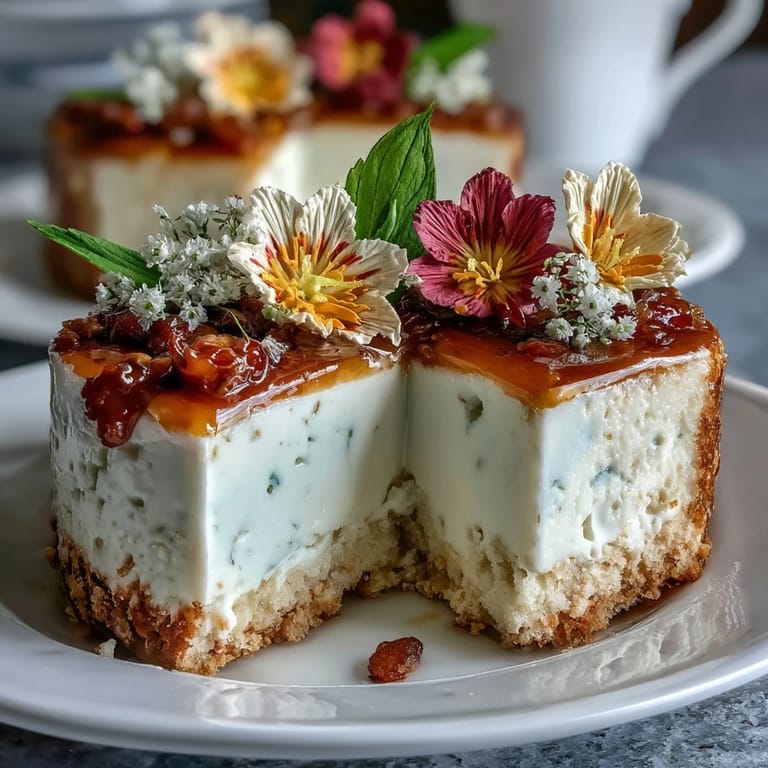
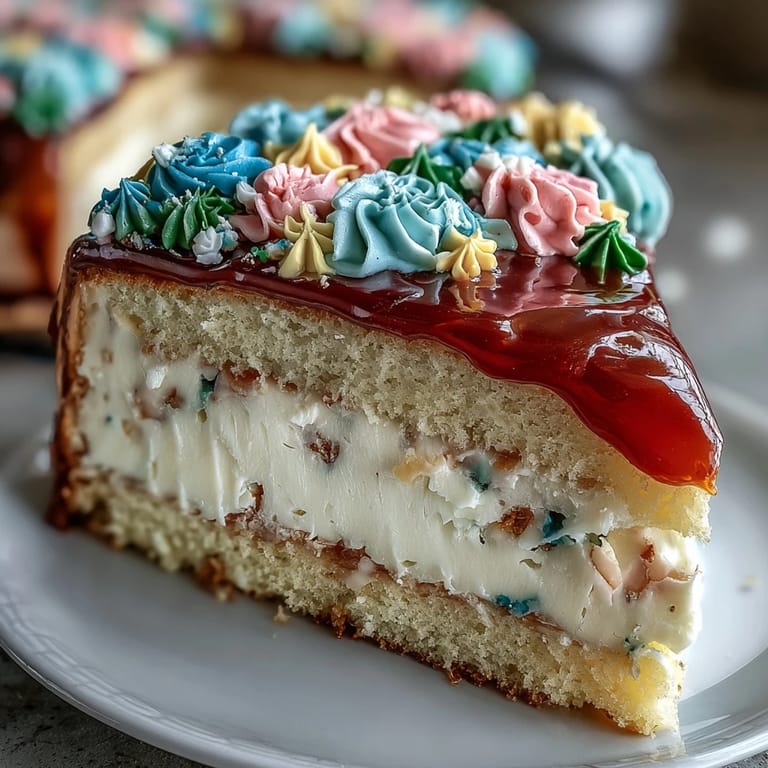
- Spread a generous base layer of plain buttercream across the cooled cake, filling any dips so your flowers have a smooth surface to sit on. Fill piping bags with colored frosting, attach flower or leaf tips, and pipe decoratively across the cake—corners and edges are your best friends for arrangement.
 Pin it
 After that First Communion, my cousin texted me a photo of the leftover cake—there was hardly any left. That's when I knew this recipe had something real going for it: it tastes good enough that people come back for seconds, but it also holds up structurally, which matters when you're celebrating something important.
The Vanilla Question
People sometimes ask if I'm making chocolate cake or some elaborate flavor, and the answer is always vanilla. But vanilla isn't boring once you understand that it's a canvas for everything else—the tender crumb, the smooth frosting, the delicate flowers. I've experimented with almond extract (which the notes mention as an option), and it's lovely, but it changes the flavor profile enough that it becomes a different cake. The beauty of this recipe is that it lets the texture and decoration be the stars, and that's exactly what you want for a celebration cake.
Decorating Without Stress
The piped flowers look complicated but they're really just repetition and muscle memory. The first flower you pipe will probably look a little lopsided; the tenth one will look better. If you're nervous, practice on a plate first, squeeze the frosting out, and watch how the tip moves. Nobody at the party is thinking critically about your piping technique—they're just happy there's cake and flowers.
Make-Ahead Magic and Storage
This cake actually improves slightly if you make it a day ahead because the crumb has time to settle and the flavors meld. Store the unfrosted cake covered at room temperature, then frost it the morning of the event. The frosted cake keeps well covered for about two days, though it's always best served within 24 hours of decorating.
- If you're traveling with the cake, frost and decorate it right before you leave rather than the night before.
- Keep the decorated cake in a cool spot, away from direct sunlight or heat, so the frosting stays firm and doesn't wilt.
- If you've piped a cross or text with a small round tip, let that dry for 15 minutes before moving the cake around.
 Pin it
 This cake has become my go-to for milestones because it's reliable and tastes like genuine care was put into it. Make it for someone you want to celebrate, and you'll understand why it keeps getting requested.
Recipe Q&A
- → What flour type is best for this cake?
All-purpose flour provides the right balance for a tender yet structured crumb ideal for sheet cakes.
- → How do I achieve smooth buttercream texture?
Beat softened butter until creamy before gradually adding sifted powdered sugar and milk, continuing to mix until light and fluffy.
- → Can I use food coloring for decorations?
Gel food coloring is recommended to obtain vibrant shades without thinning the buttercream consistency.
- → What is the ideal baking temperature and time?
Bake the cake at 350°F (175°C) for approximately 28-32 minutes or until a toothpick inserted comes out clean.
- → How should the cake be stored after decorating?
Keep the cake covered at room temperature to maintain freshness; avoid refrigeration to preserve texture.