 Pin it
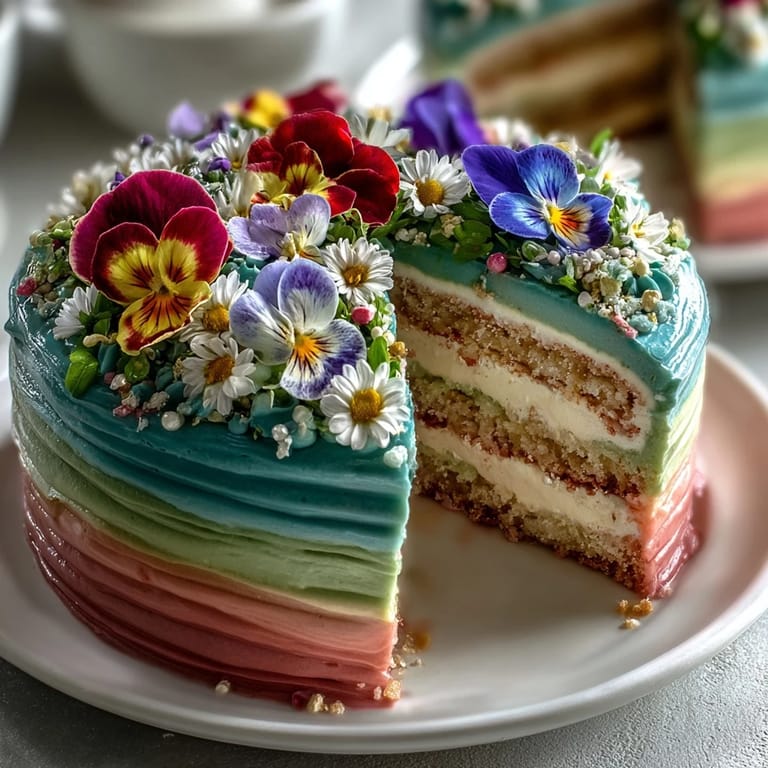
 The first time I made this ombre spring cake, a light breeze carried the scent of vanilla through my kitchen and I remember pausing just to appreciate the swirling pastel colors taking shape in the bowls. There’s something quietly joyful about mixing butter and sugar until they’re creamy, watching the batter transform in your hands, and then turning it into a canvas for gentle pinks, yellows, and blues. As each layer baked, I could hear birds outside and suddenly the room felt brighter—almost as if the cake itself was inviting in spring. Even frosting took on a meditative rhythm; blending shades, smoothing edges, and occasionally licking a spoon. Arranging the edible flowers always feels like the final, celebratory brushstrokes on a painting.
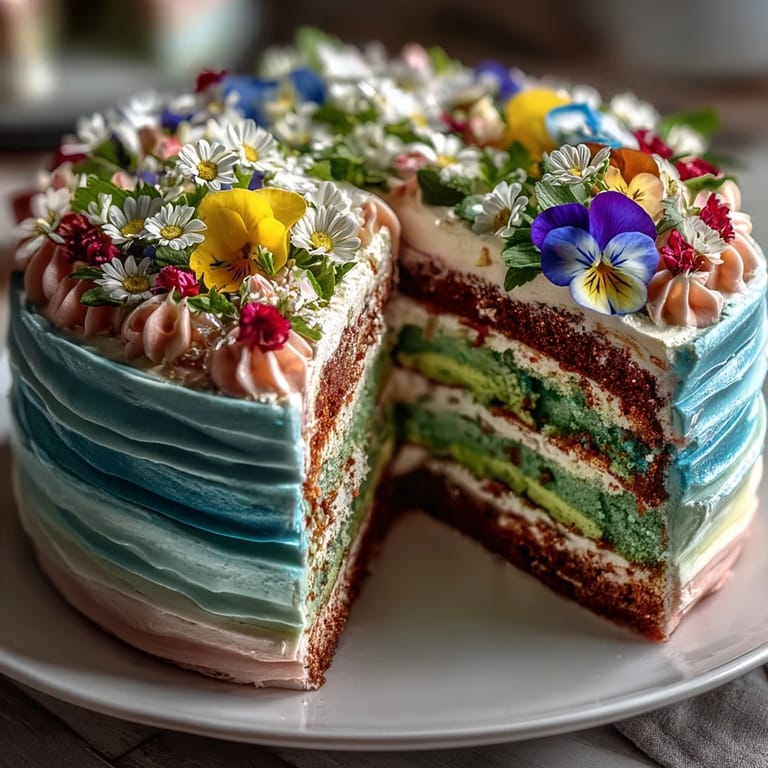
I still remember assembling this cake for a friend’s spring birthday, the kitchen buzzing with quiet anticipation and people peeking in to watch layer after layer slide gently into place. We laughed as the frosting colors accidentally blended into something new—a pastel shade no one could name. Later, everyone stood around the table, admiring the floral crown and debating which flower was edible (it turns out, chamomile is a surprise favorite). The light, spongy cake cut beautifully and revealed its hidden ombre stripes, sparking excited whispers from the youngest guests. By the time the last piece disappeared, the edible petals had inspired more than one impromptu photo session.
Ingredients
- All-purpose flour: Gives a sturdy structure yet delivers tenderness—sift for a lighter cake and measure carefully, I once added too much and the result was dense.
- Baking powder and baking soda: These ensure a high rise and a soft crumb; double-check your freshness for guaranteed lift.
- Salt: Balances sweetness and brings out the pastel flavors—don’t skip it, even if tempted!
- Unsalted butter: Room temperature is crucial for creamy mixing and smooth texture; if it's too cold, it doesn't blend properly.
- Granulated sugar: Provides sweetness and a crisp crust—beat until truly fluffy to avoid heavy cake.
- Eggs: Bind and enrich; let them warm to room temperature for an airy batter.
- Vanilla extract: Pure vanilla rounds out the cake’s gentle flavor—if you have homemade, it tastes even more amazing.
- Whole milk: Adds moisture and helps the crumb stay tender; if cold, the batter can curdle a little, so let it warm up first.
- Gel food coloring: Just a dab provides vibrant pastel hues without thinning the batter or frosting—liquid coloring doesn't work as well.
- Powdered sugar: Sift for a silky, lump-free buttercream; unsifted sugar can make the frosting gritty.
- Edible flowers: Select fresh, brightly colored blossoms labeled 'edible'—never use regular florist flowers, as they're often treated.
Tired of Takeout? 🥡
Get 10 meals you can make faster than delivery arrives. Seriously.
One email. No spam. Unsubscribe anytime.
Instructions
- Prep Your Pans:
- Grease and line your cake pans with parchment, smoothing each so nothing sticks—don’t forget the sides, or your layers may tear.
- Mix Dry Ingredients:
- Grab a medium bowl, whisk flour, baking powder, soda, and salt together so they're evenly distributed and lump-free.
- Cream Butter and Sugar:
- Beat butter and sugar on medium speed until fluffy and pale; it's worth the extra minute to get a light, airy crumb.
- Add Eggs and Vanilla:
- Crack in eggs one at a time, mixing after each, then stir in vanilla—listen for the batter’s soft plop, it’s oddly satisfying.
- Alternate Flour and Milk:
- Add flour mixture and milk little by little, always starting and ending with flour; stop as soon as the batter is smooth.
- Tint and Divide Batter:
- Split the batter evenly into three bowls and swirl in gel colors for pastel ombre—go slow, you can always add more color but not take it away!
- Bake:
- Pour colored batters into pans and bake for 25–30 minutes, until a toothpick comes out clean; the kitchen fills with a sweet aroma that signals they're done.
- Cool Layers:
- Let cakes rest in the pans for 10 minutes, then flip onto racks—handling them gently keeps layers tidy for stacking.
- Make Buttercream:
- Beat butter until creamy, add powdered sugar in batches, then vanilla and milk; whip until you have dreamy, fluffy frosting.
- Color Frosting:
- Divide buttercream into portions and tint pastel shades to match the cake—blend just enough to keep colors smooth, not streaky.
- Assemble Layers:
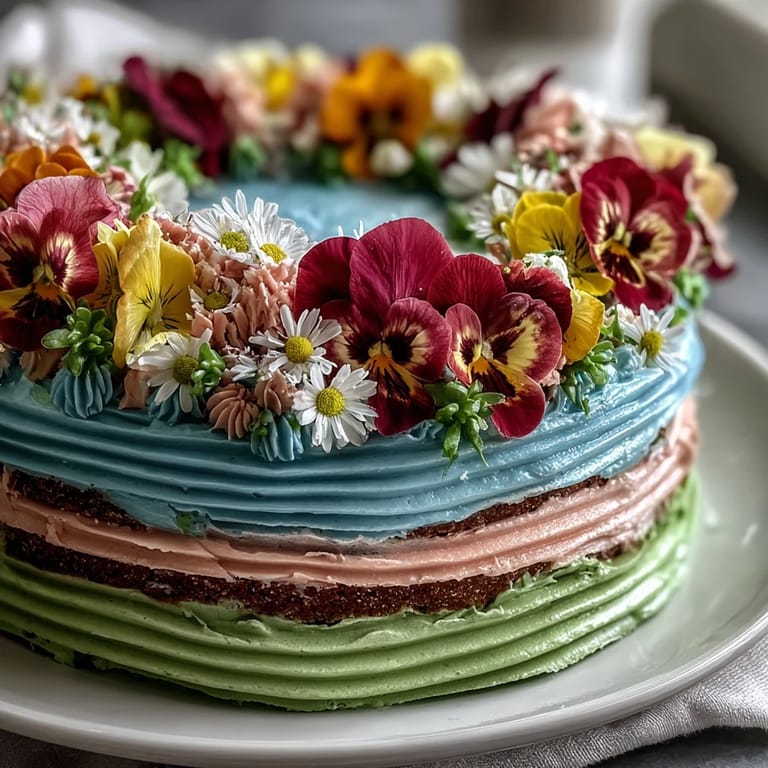
- Level cakes if needed, spread buttercream between layers, and coat sides in a gentle ombre gradient; a cake turntable makes this easier, but it’s fun even without.
- Decorate with Edible Flowers:
- Gently arrange edible blooms on top right before serving—each one feels like tossing confetti for spring.
 Pin it
 When we sliced into the pastel cake at a family gathering, everyone paused mid-conversation to admire the ombre reveal—suddenly the dessert felt like the unofficial start of spring. I watched my niece quietly line up her favorite edible flowers on her slice, turning dessert into an activity, not just food.
How to Master Ombre Frosting
The trick to beautiful blended pastel frosting is working with small batches at a time, cleaning your spatula often, and layering colors from the lightest to deepest shade. If blending gets messy, just smooth with a clean spatula and embrace a little whimsy—imperfection ends up looking artistic. Sometimes I swirl leftover color gently over the final coat for an easy watercolor effect.
Choosing and Preparing Edible Flowers
Edible flowers add a delicate flavor and vibrant beauty, but always check their source—go for organic, pesticide-free options from trusted suppliers. Give each bloom a gentle rinse and let them dry on a paper towel before decorating so they stay crisp and bright. In spring, nothing beats picking flowers from your own garden, ensuring freshness and safety.
Troubleshooting Cake Layers
If your cakes sink or brown unevenly, it means your oven runs hot or the batter mixed too vigorously. Try spinning pans halfway through baking for even color and use room temperature ingredients for best results. Stack layers with care, and chill them if you need extra stability before frosting.
- Add extra color gradually to avoid overly intense hues.
- If you don’t have a cake turntable, use a large dinner plate for decorating.
- Check flowers for allergies before serving to guests.
 Pin it
 Every slice of this cake feels like sharing a little springtime magic, and decorating together always brings good conversation. It’s a sweet spot where celebration and creativity meet, making memories with every pastel swirl.
Recipe Q&A
- → How do I achieve Ombre layers?
Divide the batter into separate bowls and gently tint each with a different pastel shade using gel coloring before baking.
- → Can I use liquid coloring?
Gel coloring is recommended for vibrant pastel hues without thinning batters or frostings. Liquid coloring may affect consistency.
- → Are all edible flowers suitable?
Choose organic flowers specifically labeled as edible. Verify allergen information before use, especially for sensitive individuals.
- → How do I make it vegan?
Substitute butter, milk, and eggs with plant-based alternatives. Ensure vegan frosting and check flower suitability.
- → What tools do I need?
You'll need three round cake pans, electric mixer, mixing bowls, spatulas, wire rack, and a cake turntable for smooth frosting.
- → How many servings does it yield?
This cake serves 12, making it ideal for spring parties and festive gatherings.