 Pin it
 There's something about assembling a Mediterranean bowl that feels less like cooking and more like painting with vegetables. One summer afternoon, I was standing in my kitchen with an armful of farmers market finds—vibrant tomatoes still warm from the sun, cucumbers that smelled like earth, olives that gleamed like dark jewels—and I realized I didn't need to overthink it. Just throw it all together, dress it simply, and let the ingredients speak for themselves. That's when this bowl became my go-to, the kind of meal that tastes like a sunny escape no matter what's happening outside.
I made this for a friend who'd just gone vegan and was worried she'd be eating sad salads forever. When she took that first bite and her eyes lit up at how bright and filling it was, I knew I'd made something special. She's made it probably fifty times since, which tells you everything you need to know about whether this bowl actually works.
Ingredients
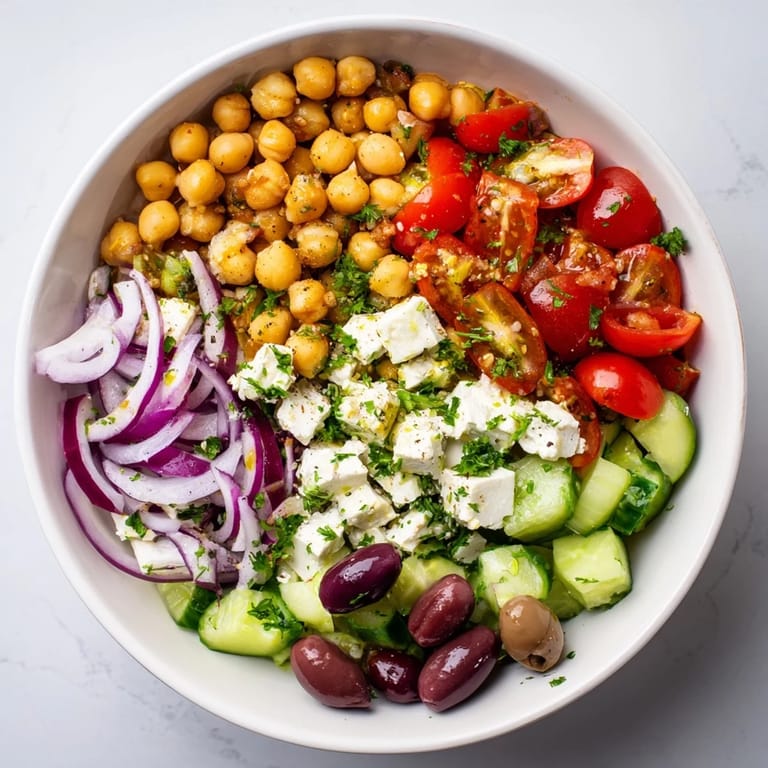
- Chickpeas (1 can, drained and rinsed): The backbone of this bowl, packed with protein and fiber that keeps you full for hours.
- Quinoa or brown rice (1 cup cooked, optional): Add this if you want something more substantial, though the bowl is genuinely filling without it.
- Cucumber (1 medium, diced): Choose one that's still firm and cool, as it'll stay crisp longer and add that crucial refreshing bite.
- Cherry tomatoes (1 cup, halved): Don't skip the halving—it distributes their bright flavor and prevents them from rolling around like little troublemakers.
- Red onion (1/4 small, thinly sliced): A thin slice goes a long way here; it'll mellow slightly as it sits with the dressing, adding sweetness without harshness.
- Red bell pepper (1/2, diced): The color and slight sweetness balance the brininess of the olives perfectly.
- Vegan feta (80 g, crumbled): The texture matters more than the brand here—you want something that crumbles easily and adds a salty, creamy note.
- Kalamata olives (1/3 cup, halved): Pitting them yourself means fresher flavor, though quality store-bought ones work beautifully too.
- Fresh parsley (2 tbsp, chopped): This is your green note of freshness at the end, so don't bury it—sprinkle it on top just before serving.
- Extra-virgin olive oil (2 tbsp): This is where quality matters; a good oil makes the whole dressing sing.
- Lemon juice (1 tbsp, freshly squeezed): Fresh lemon is non-negotiable—bottled just doesn't have the same brightness.
- Dried oregano (1 tsp): One teaspoon is enough to evoke the Mediterranean without overpowering everything else.
- Sea salt (1/2 tsp) and black pepper (1/4 tsp): Start here and taste as you go; you can always add more salt once it all comes together.
Tired of Takeout? 🥡
Get 10 meals you can make faster than delivery arrives. Seriously.
One email. No spam. Unsubscribe anytime.
Instructions
- Gather and prep your vegetables:
- Lay out your cutting board like you're setting a stage. Rinse your chickpeas under cool water and let them sit in a colander while you work through the vegetables—the cucumber should be cool and firm, the tomatoes halved so their juice can mingle with the dressing, the onion sliced so thin you can almost see through it.
- Combine everything in a big bowl:
- Dump the chickpeas, cucumber, tomatoes, onion, and bell pepper into your largest bowl. At this point it looks like a salad, but trust the process—the magic happens when you dress it.
- Make your dressing in a separate bowl:
- Whisk the olive oil, lemon juice, oregano, salt, and pepper together until it tastes bright and balanced on your tongue. If it tastes a little sharp, it's supposed to—the chickpeas will soften it.
- Dress and toss gently:
- Pour the dressing over everything and toss with purpose but not violence, making sure every piece gets coated without bruising the tomatoes. This is where the flavors start their slow dance together.
- Layer into bowls:
- If you're using grain, spoon a nest of it into each bowl first, then pile the dressed chickpea mixture on top. If you're going grain-free, just divide it between two bowls and let it pile naturally.
- Crown with feta, olives, and parsley:
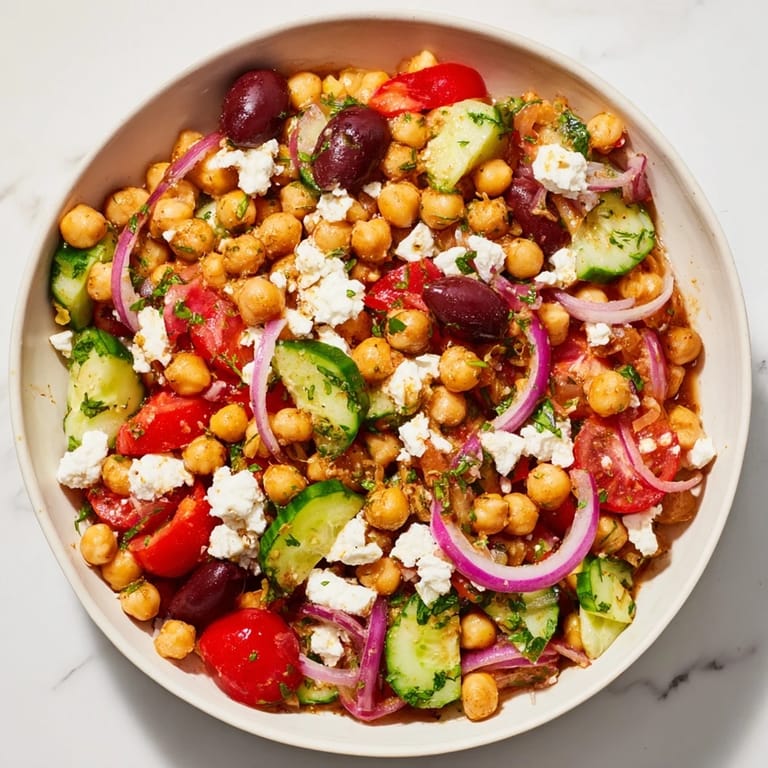
- Top each bowl with crumbled feta, halved olives, and a scatter of fresh parsley. This is your moment to make it look as good as it tastes, so be generous and thoughtful with your placement.
 Pin it
 The best part about this bowl isn't just that it's delicious—it's that it feels like a choice, not a compromise. When you're eating something this colorful and alive, you're not thinking about what you're missing; you're thinking about how lucky you are to have all this right in front of you.
Why This Bowl Works as a Meal
Chickpeas are one of those ingredients that feel like they've been feeding people for thousands of years because they actually have, and for good reason. They're sturdy enough to hold their shape when you toss them around, they absorb flavor like tiny sponges, and they've got the kind of protein and fiber that actually keeps your stomach happy until dinner. When you pair them with vegetables that are meant to eat raw—cucumbers and tomatoes and peppers that taste like themselves, not like cooking—you get something that feels effortless and special at the same time. The feta and olives aren't just toppings; they're the seasoning that gives everything direction and makes it taste intentional rather than random.
The Dressing Is Everything
I used to make Mediterranean bowls and wonder why mine didn't taste as good as the ones I'd get at restaurants, and then one day it hit me—I was using bad olive oil and bottled lemon juice like I was in a hurry. Once I switched to a good extra-virgin olive oil and started squeezing lemons fresh, everything changed. The dressing isn't something you make and forget; it's something you taste and adjust, a conversation between the acid and the oil and the salt until it feels balanced. It should taste a little bright and salty on its own, almost aggressive, because once it mingles with the chickpeas and vegetables it mellows out into something perfect.
Making It Your Own
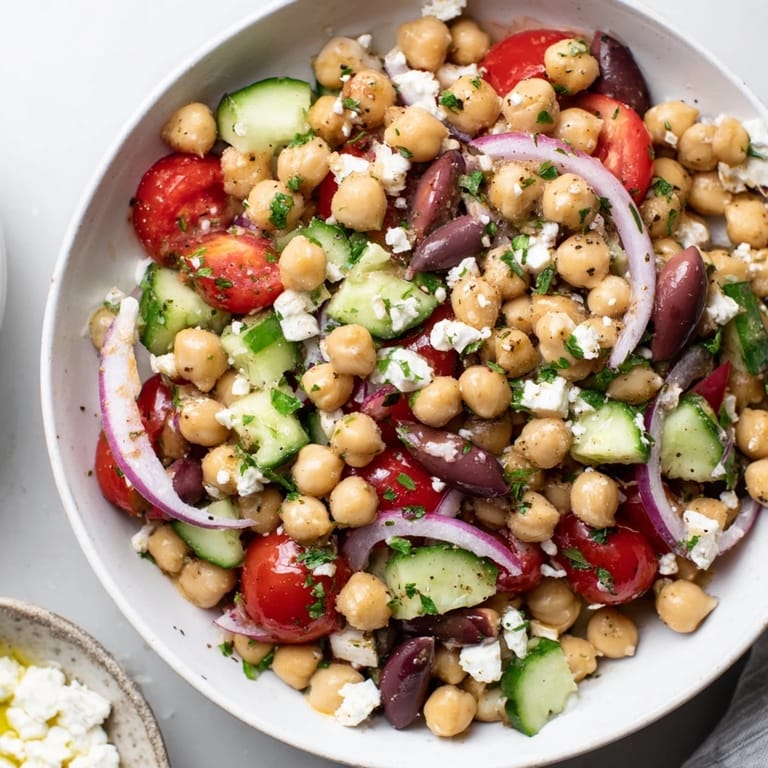
The beauty of this bowl is that it's more of a template than a rigid recipe. I've made it with roasted chickpeas for extra crunch, added avocado when I had one sitting around, swapped the quinoa for farro or even just served it on a bed of greens instead. One winter I added some roasted beets and suddenly it felt like a whole different meal. The core—chickpeas, lemon dressing, fresh vegetables, feta, olives—stays the same, but everything else is negotiable based on what you've got and what you're craving.
- If you want it warm, roast the chickpeas with the dressing ingredients for a completely different vibe.
- Add roasted pine nuts or toasted seeds if you want that crispy texture without the grain base.
- Make a double batch of dressing and keep it in the fridge for quick salads throughout the week.
 Pin it
 This bowl taught me that some of the best meals are the ones that require no cooking at all, just good ingredients and the confidence to let them be themselves. Make it for yourself on a busy Tuesday, make it for friends on a sunny afternoon—either way, it tastes like you care.
Recipe Q&A
- → Can I use regular feta instead of vegan feta?
Yes, traditional feta can be substituted if vegan options are not preferred, adding a tangy creaminess to the bowl.
- → What grains work well as a base for this bowl?
Cooked quinoa or brown rice are excellent choices that provide additional texture and substance.
- → How long can the bowl be stored after preparation?
It can be refrigerated for up to 2 days, allowing flavors to meld for a marinated taste.
- → Are Kalamata olives necessary in the dish?
While they add a distinctive briny flavor, other olives can be used based on preference.
- → Can I add nuts or seeds for extra crunch?
Yes, roasted chickpeas or toasted pine nuts complement the bowl nicely with added texture.