 Pin it
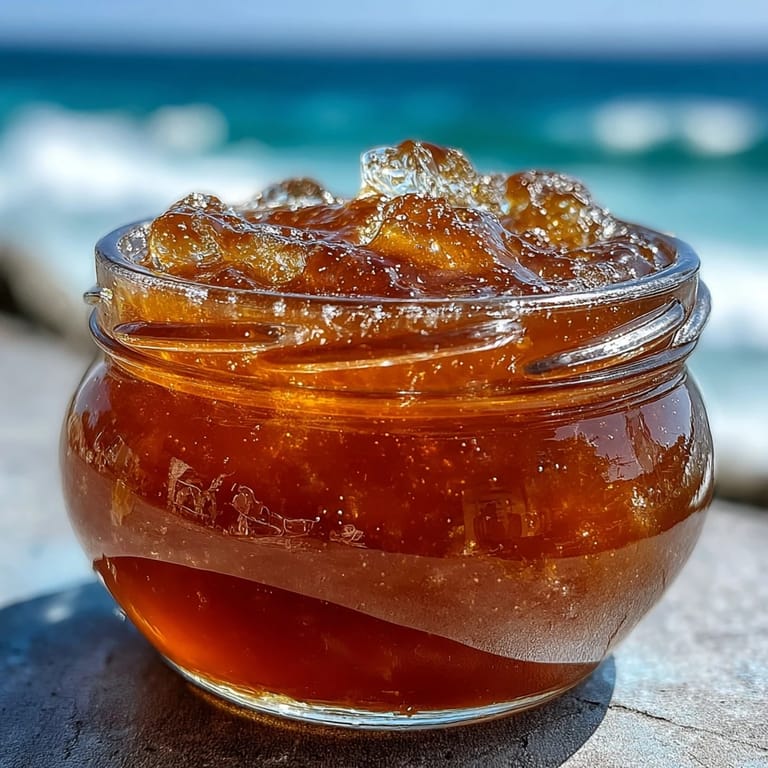
 My neighbor stopped by one April morning with a basket overflowing with dandelion blossoms, insisting I had to try making jelly from them. I was skeptical at first—weren't dandelions just weeds?—but something about the way the yellow petals caught the light made me curious. That afternoon, my kitchen filled with the most unexpected floral sweetness as the petals steeped, and by evening I had jars of the most delicate, golden jelly I'd ever made. It tasted like spring in a spoonful, and suddenly those humble backyard flowers made perfect sense.
I brought a jar to a breakfast gathering once, spread it on warm scones alongside fresh whipped cream, and watched people's faces light up when they tasted it. One friend asked what it was made from, and when I said dandelions from my yard, she laughed in disbelief. That moment—proving that something foraged from the ground could be refined and beautiful—made me fall in love with preserving.
Ingredients
- Dandelion petals (2 cups, yellow parts only, tightly packed): Use only the sunny yellow petals, stripping away every bit of green—those bitter sepals can ruin the delicate flavor you're after.
- Water (4 cups): This becomes your infusion base, so use filtered water if your tap water is heavily chlorinated.
- Lemon juice (2 tablespoons, freshly squeezed): This brightens the floral sweetness and helps the jelly set; bottled won't give you quite the same punch.
- Powdered fruit pectin (1 package, 1.75 oz / 49 g): Don't skip this—it's what transforms your liquid into that satisfying gel consistency.
- Granulated sugar (4 cups): This is essential for setting and preservation; reducing it requires special low-sugar pectin.
Tired of Takeout? 🥡
Get 10 meals you can make faster than delivery arrives. Seriously.
One email. No spam. Unsubscribe anytime.
Instructions
- Harvest and prepare your petals:
- Pick dandelion blossoms on a dry, sunny day from areas you know are pesticide-free. Gently remove each yellow petal from the green base, discarding all the bitter bits—this takes patience but makes all the difference.
- Rinse and ready:
- Run your petals quickly under cool water to dislodge any insects or garden debris, then pat them dry on paper towels.
- Create your infusion:
- Combine the petals and water in a saucepan, bring to a boil, then simmer gently for 5 minutes—you're not cooking them, just waking up their flavor. Remove from heat, cover tightly, and let them steep undisturbed for at least 4 hours (overnight is better if you have the time).
- Strain out the petals:
- Pour the golden liquid through a fine mesh sieve lined with cheesecloth, pressing gently on the petals to extract every drop of flavor. You should end up with roughly 3½ to 4 cups of infusion.
- Combine and heat:
- Pour your dandelion infusion into a large pot, add the lemon juice and pectin, and stir thoroughly until there are no lumps. Bring this to a rolling boil over high heat, stirring occasionally.
- Add sugar and reach setting point:
- Dump in all the sugar at once and stir constantly until it's fully dissolved and the mixture returns to a rolling boil. Boil hard for 1 to 2 minutes, then test for setting point using a candy thermometer (220°F / 104°C) or the cold-plate method—a small spoonful should wrinkle when pushed on a chilled plate.
- Finish and jar:
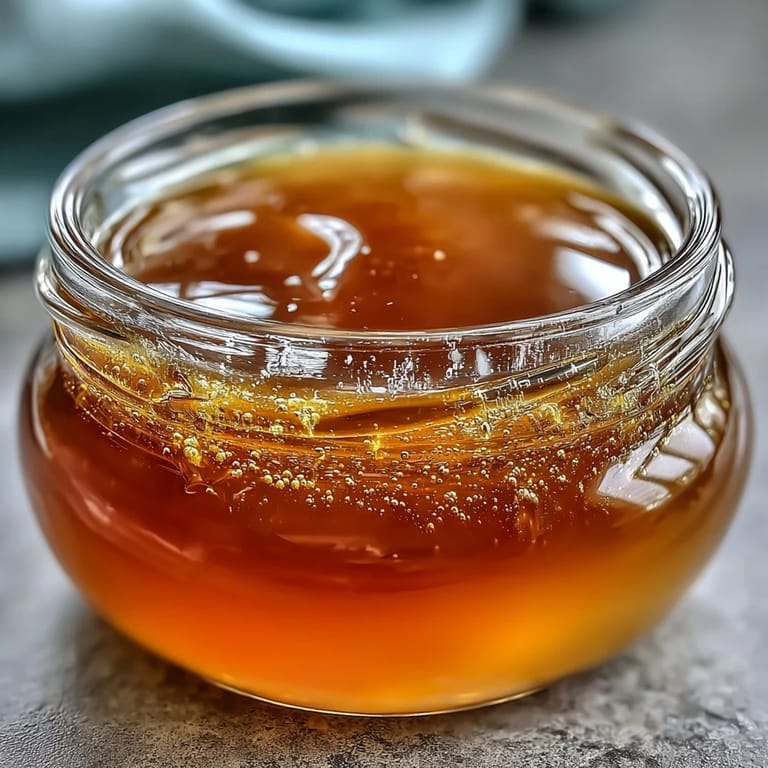
- Remove from heat and skim any foam from the surface with a spoon. Ladle the hot jelly into sterilized jars, leaving ¼ inch of headspace, then wipe the rims clean and seal with hot lids.
- Process and cool:
- Lower the filled jars into a boiling water bath canner and process for 10 minutes, then carefully remove and set on a towel to cool undisturbed for 12 hours. You'll hear the lids pop as they seal—that sound is genuinely satisfying.
 Pin it
 There's something almost meditative about sitting outside with a basket, plucking yellow petals one by one, knowing that each one is building toward something extraordinary. My kids eventually joined me, turning it into an afternoon ritual rather than a chore, and now whenever they see dandelions, they think of the jelly we made together.
Foraging with Care
The most important thing about this recipe is knowing where your dandelions come from. Never forage from roadsides, parks that might be sprayed, or anywhere you're unsure about. Your own yard (if you haven't used herbicides), a friend's trusted garden, or a known wild area away from chemicals is ideal. The flavor of your jelly depends entirely on this single choice.
Flavor Variations and Swaps
I've experimented with adding orange zest right alongside the lemon juice, which gives the jelly a more complex citrus edge that's wonderful with cheese. You could also steep the petals with a vanilla bean or a few rose petals if you want something even more floral and special. The base recipe is flexible enough to let your taste guide you.
Serving and Storing Your Jelly
This jelly shines on warm toast with a knob of butter, spooned over fresh scones with cream, or as a glaze for pound cake or cheesecake. It pairs beautifully with soft cheeses—goat cheese especially—and looks stunning in a small jar as a gift. Sealed jars will keep for up to a year in a cool, dark cupboard, though honestly they rarely last that long once people taste them.
- Once opened, refrigerate and use within three weeks for best flavor and texture.
- If you made too much, remember that it also makes an excellent filling for thumbprint cookies or a swirl in homemade ice cream.
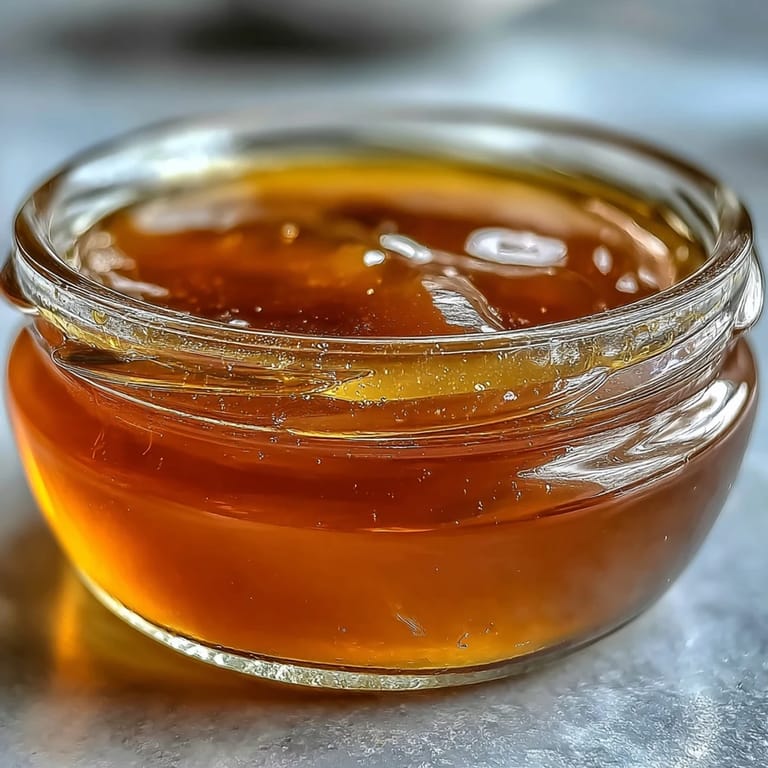
- Take a photo of your finished jars in the light—dandelion jelly is too pretty not to show off.
 Pin it
 Making dandelion jelly taught me that the best food often comes from paying attention to what's already around you, and from slowing down enough to notice it. It's a small preserve with a big story.
Recipe Q&A
- → How do I prepare dandelion petals for the floral spread?
Remove all green parts such as sepals and stems to prevent bitterness. Rinse the yellow petals gently to remove any debris.
- → Why is steeping the dandelion petals important?
Steeping extracts the delicate floral flavors and color, creating a vibrant infusion essential for the spread's characteristic taste.
- → Can I adjust the sweetness level?
Yes, reducing sugar slightly or using low-sugar pectin can make the spread less sweet without compromising texture.
- → What are some serving suggestions for this floral spread?
It pairs wonderfully with toast, scones, pancakes, or even as a glaze over cakes and soft cheeses.
- → Are there any specific tools needed for preparation?
You’ll need a large saucepan, fine mesh sieve or cheesecloth for straining, canning jars with lids, a ladle, and a boiling water bath setup for sealing.