 Pin it
 I discovered the magic of the Vineyard Grape Cluster Drop at a wine tasting in Tuscany, where a vintner's wife had arranged fresh grapes in this cascading, almost architectural way on their family's wooden table. The sight of it stopped everyone mid-conversation—it was so beautiful that for a moment, no one wanted to touch it. But then someone reached for a grape, and suddenly everyone was gathered around, plucking grapes like we were harvesting from an actual vine. That moment taught me that the best appetizers aren't just delicious; they're ones that bring people together and make them smile before they even take a bite.
I remember bringing this to my daughter's engagement party last spring, nervously transporting it on the back seat of my car, praying the grapes wouldn't roll everywhere. When I unwrapped it on the buffet table, my sister actually gasped—and then guests kept coming back to it all evening, not just for the grapes, but because it became a conversation piece, a centerpiece, and a work of art all at once.
Ingredients
- Seedless green grapes (600 g): These are your lighter, slightly tart foundation—they hold their shape beautifully and provide a gentle sweetness that won't overwhelm your palate before wine.
- Seedless red or black grapes (600 g): The jewels of your cluster. I learned the hard way that red and black grapes are softer than green ones, so handle them with extra care when arranging—they're worth the delicate touch.
- Rustic baguette or breadsticks: This becomes your stem, and I prefer a baguette cut at a sharp angle because it actually looks like a vine when you position it right. If you're using breadsticks, line them up tightly so they create that same natural stem effect.
- Thin salami sticks (optional alternative): For a non-vegetarian version, salami wrapped around thin grissini creates an unexpectedly elegant stem that's also delicious—your carnivorous guests will appreciate this detail.
- Fresh herbs—thyme, rosemary, or grape leaves: These aren't just decoration; they add aroma and authenticity to your grapevine illusion, and they're edible too.
Tired of Takeout? 🥡
Get 10 meals you can make faster than delivery arrives. Seriously.
One email. No spam. Unsubscribe anytime.
Instructions
- Wash and dry your grapes like you mean it:
- Rinse them under cool water and pat them completely dry with a clean kitchen towel. Wet grapes will slip apart when you're arranging them, and there's nothing more frustrating than watching your masterpiece collapse mid-setup. Take your time here.
- Gently separate and cluster:
- Remove most grapes from their stems, but keep small bunches of 3–5 grapes attached where you can—this creates those natural, organic-looking pockets that make the whole arrangement feel less contrived and more like actual vineyard clusters.
- Build your teardrop:
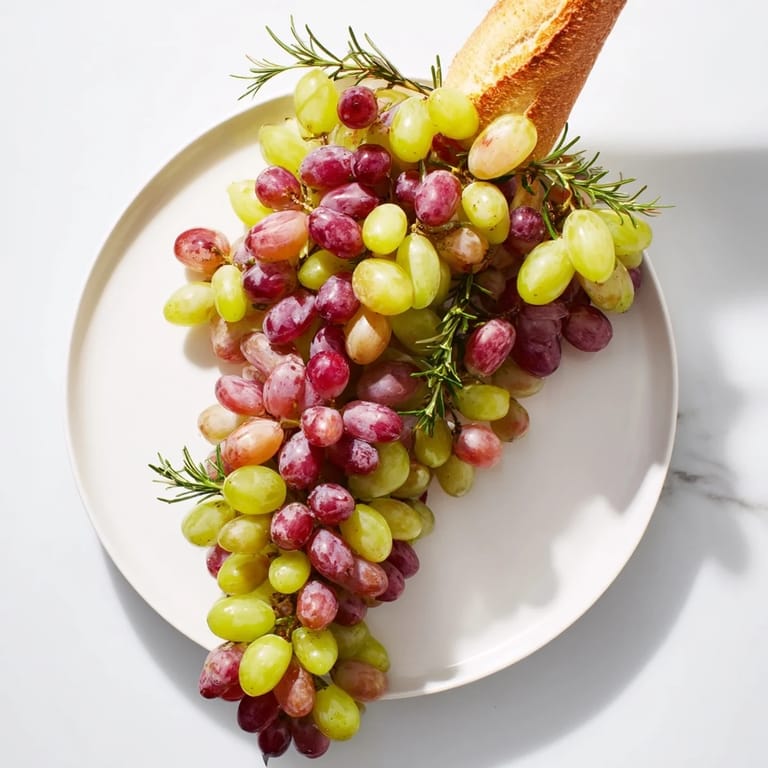
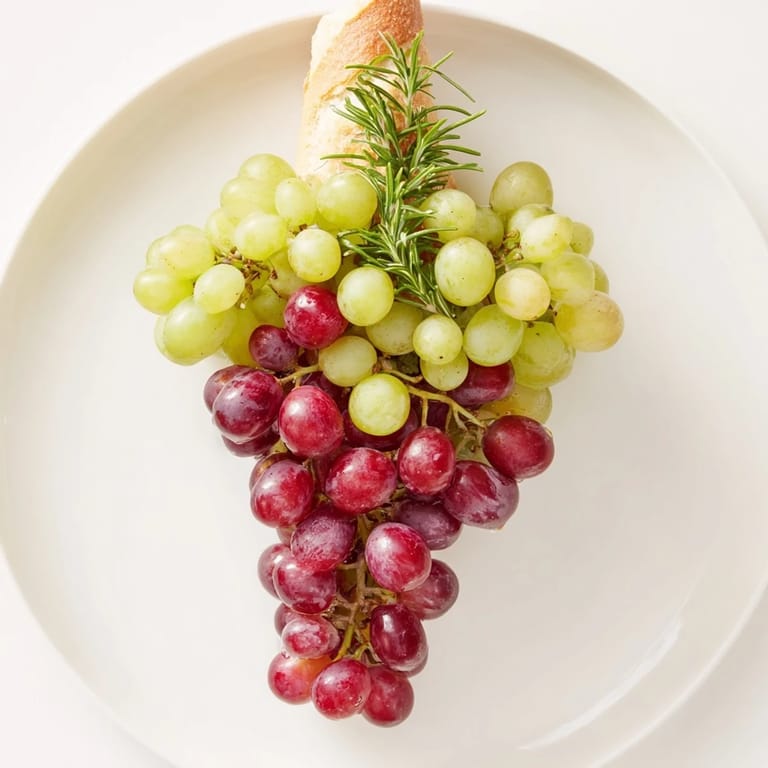
- On your platter or wooden board, start at the bottom and arrange grape clusters in a tight, downward-pointing teardrop or cascade shape. Work upward, tapering as you go. This is where patience pays off—step back every few minutes to see how it's taking shape. You're creating depth and dimension, not just stacking grapes.
- Crown it with a stem:
- Position your baguette (cut at a 45-degree angle for drama) or your lined-up breadsticks or salami at the narrow top of the cluster. This is the moment it transforms from a pile of grapes into a grapevine. Tilt it slightly, angle it with intention.
- Tuck and garnish:
- Weave fresh herb sprigs or grape leaves around the base and stem for realism and aroma. This final touch is what makes people lean in and say, 'Did you really make this?'
- Serve with pride:
- Bring it to the table while it's still perfectly arranged, let your guests admire it for a moment, then invite them to pull off grapes and bread pieces as they wish. Watch them enjoy the experience as much as the food.
 Pin it
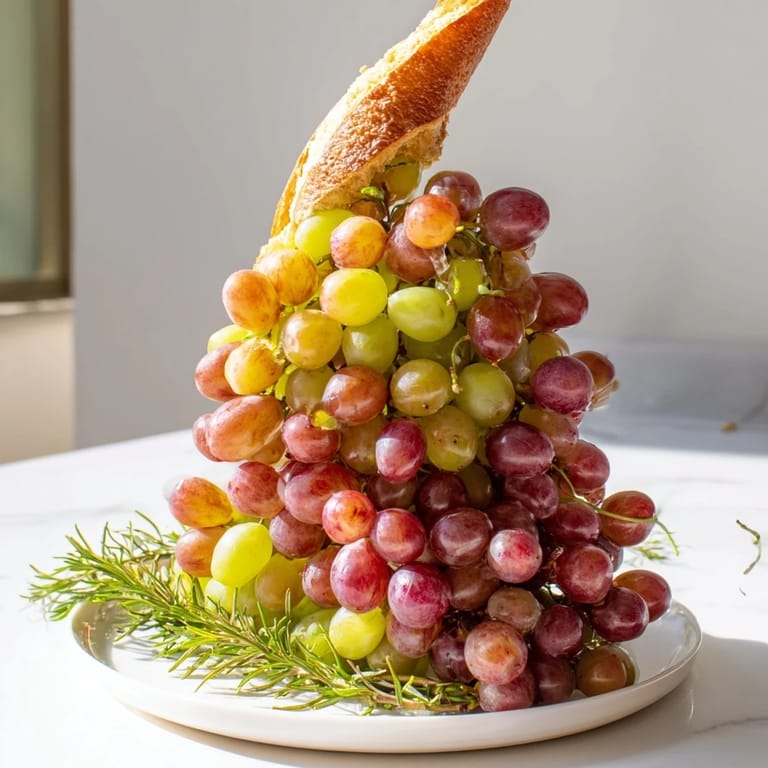
 What I loved most about making this dish was watching my neighbor's three-year-old point at it and say, 'It's a grape tree!'—she saw exactly what I was trying to create, with the pure clarity only a child can have. That's when I realized this appetizer works because it speaks to something ancient in us, something that remembers when food was harvested, not purchased, and when eating together was a ritual, not a rush.
The Art of Arrangement
The secret to making this look effortlessly elegant is understanding that nature isn't symmetrical—it's full of intention and flow. When you're building your grape cluster, imagine how grapes actually grow on a vine: in interconnected bunches that overlap and support each other. Start with the largest clusters at the base and work upward with progressively smaller ones. Don't overthink it; your hands know what a grapevine looks like, even if your mind is second-guessing you. The imperfections are what make it real.
Pairing and Serving Wisdom
This dish is a chameleon—it adapts to whatever occasion you're hosting. For a wine tasting, it's practically mandatory; for a cheese board, it's the crowning jewel; for a cocktail party, it bridges the gap between the savory and the sweet. I've found that serving it with a crisp white wine or sparkling rosé doesn't just pair well—it creates a moment where guests slow down and actually taste both the wine and the grapes together. The refreshment is mutual.
Creative Variations and Personal Touches
Once you've mastered the basic version, this dish becomes a canvas for your creativity. I've alternated red and green grapes in neat rows for a more formal presentation, and I've scattered cubes of aged Gruyère between the grape clusters for a sophisticated twist. Some seasons, when I can find them, I've used actual grape leaves from my garden to wrap around the base, which adds an authentic touch that guests immediately recognize and appreciate. The gluten-free versions work beautifully too—omit the bread entirely and use only salami, and suddenly your vegetarian and gluten-free guests feel included in the party.
- Try interspersing roasted nuts like almonds or walnuts among the grapes for texture and richness without overwhelming the fresh flavor.
- If you're feeling adventurous, add thin slices of aged cheese woven between the grape clusters for an unexpected flavor combination.
- Remember that this dish can be assembled up to 2 hours ahead if you keep it in a cool place—perfect for reducing stress on party day.
 Pin it
 Every time I make this dish, I'm reminded that entertaining doesn't have to be complicated—it just has to be thoughtful. This simple arrangement of grapes, bread, and herbs becomes something memorable because you took the time to make it beautiful.
Recipe Q&A
- → What type of grapes work best?
Seedless green and red or black grapes are ideal for easy handling and a colorful presentation.
- → Can I make this gluten-free?
Yes, substitute gluten-free breadsticks for the stem or use only salami for a gluten-free option.
- → How do I keep grapes fresh and firm?
Wash and thoroughly dry the grapes before arranging to maintain freshness and prevent sogginess.
- → What are good garnish choices?
Fresh herbs like thyme, rosemary, or grape leaves enhance aroma and add a realistic touch around the cluster.
- → How long does the arrangement hold up?
Best served immediately, but it can hold for a few hours refrigerated; avoid excess moisture for longevity.