 Pin it
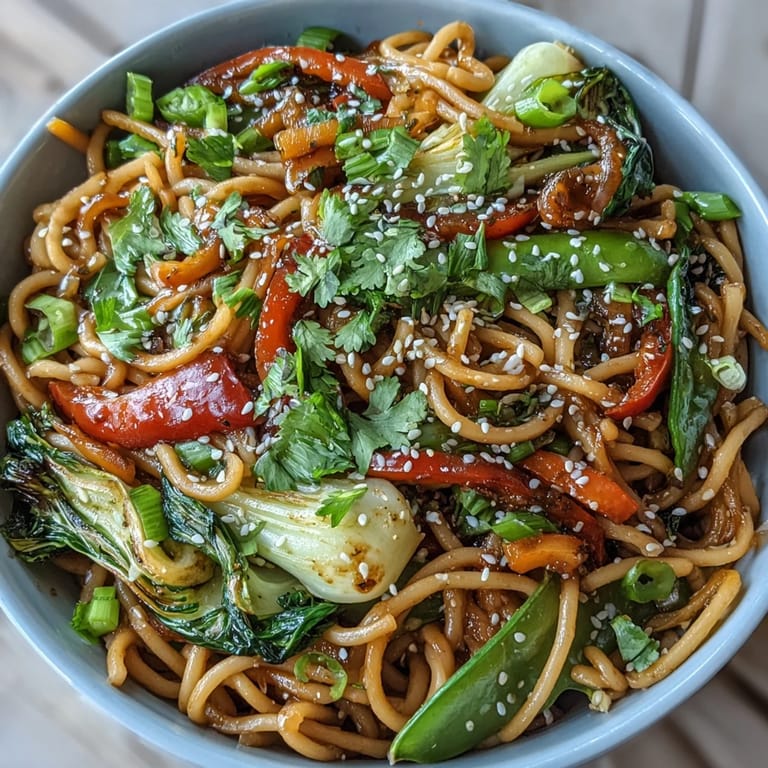
 There's something quietly magical about the moment you realize shirataki noodles aren't the rubbery disappointment you feared—it happened to me on a random Tuesday when I was determined to stop eating pasta for a week and stumbled onto this bowl instead. The aroma of ginger and sesame hit me before I'd even finished cooking, and suddenly this low-carb experiment felt less like restriction and more like discovery. My kitchen smelled like a proper Asian restaurant, and I knew I'd stumbled onto something I'd make again and again.
I made this for a friend who'd just started cutting carbs, and watching her face when she tasted it—that moment of surprise that food could taste this good and still align with her goals—reminded me why I keep coming back to this bowl. She went home with the recipe written on a napkin and made it three times that week.
Ingredients
- Shirataki noodles (400 g, drained and rinsed): These miracle noodles have almost zero carbs and absorb sauce beautifully once you treat them right—the rinsing and quick boil are non-negotiable if you want them to taste clean rather than fishy.
- Bok choy (1 cup, sliced): This leafy green wilts just enough to be tender while keeping a slight bite, and it soaks up that ginger sauce like a sponge.
- Red bell pepper (1/2, thinly sliced): The slight sweetness balances the spice and ginger, plus it stays crisp if you don't overcook—a textural anchor in the bowl.
- Snow peas (1/2 cup, trimmed): They cook in seconds and add a delicate crunch that keeps the whole dish from feeling heavy.
- Carrot (1 medium, julienned): Thin ribbons cook quickly and add natural sweetness that rounds out the savory-spicy sauce.
- Green onions (2, thinly sliced): Save most of these for garnish where their fresh bite shines brightest.
- Tamari or gluten-free soy sauce (2 tbsp): The backbone of your sauce—go for quality here because it's doing all the heavy lifting on flavor.
- Rice vinegar (1 tbsp): This gentle acid brightens everything without the harsh punch of regular vinegar.
- Toasted sesame oil (1 tbsp): The nutty warmth here is what makes people ask for your recipe—don't skip it or substitute.
- Fresh ginger (1 tbsp, finely grated): Grate it just before cooking so you get that peppery bite that makes your sinuses clear in the best way.
- Garlic clove (1, minced): One clove is enough—garlic should whisper, not shout, in this sauce.
- Maple syrup (1 tsp, optional): Just a touch to round out the edges and prevent the sauce from being one-note spicy.
- Chili flakes (1/2 tsp, optional): Add these if you like heat, or leave them out if you're cooking for someone with a tender palate.
- Toasted sesame seeds (1 tbsp for garnish): These are your final flourish—nutty and textural and worth the small effort to toast them yourself.
- Fresh cilantro or basil leaves (optional garnish): Either herb works, though basil leans European and cilantro leans toward the Asian direction of this dish.
Tired of Takeout? 🥡
Get 10 meals you can make faster than delivery arrives. Seriously.
One email. No spam. Unsubscribe anytime.
Instructions
- Wake up your shirataki noodles:
- Drain the noodles, rinse them under cold water for a full minute (don't rush this—it removes the briny smell), then drop them in boiling water for exactly two minutes. Drain again and pat them dry with paper towels; this step matters more than you'd think.
- Build your sauce:
- In a small bowl, whisk together tamari, rice vinegar, sesame oil, ginger, garlic, maple syrup, and chili flakes. Taste it straight—it should make you pucker slightly and then warm you up, a balanced dance of salty, sour, spicy, and sweet.
- Get your heat going:
- Heat a large non-stick skillet or wok over medium-high heat until it's hot enough that a bead of water sizzles immediately. Add carrot, bell pepper, and snow peas and stir-fry for two to three minutes—you want them tender but still with personality, not collapsed into submission.
- Add the leafy greens:
- Toss in the bok choy and most of the green onions (save some for the top), and keep stirring for another minute or two until the bok choy just wilts. Everything should smell incredible at this point.
- Bring it all together:
- Add your drained noodles to the pan, pour the sauce over everything, and toss constantly for two to three minutes. The noodles heat through, the sauce coats every strand, and the vegetables reach that perfect tender-crisp state that's the whole point of stir-frying.
- Serve and finish:
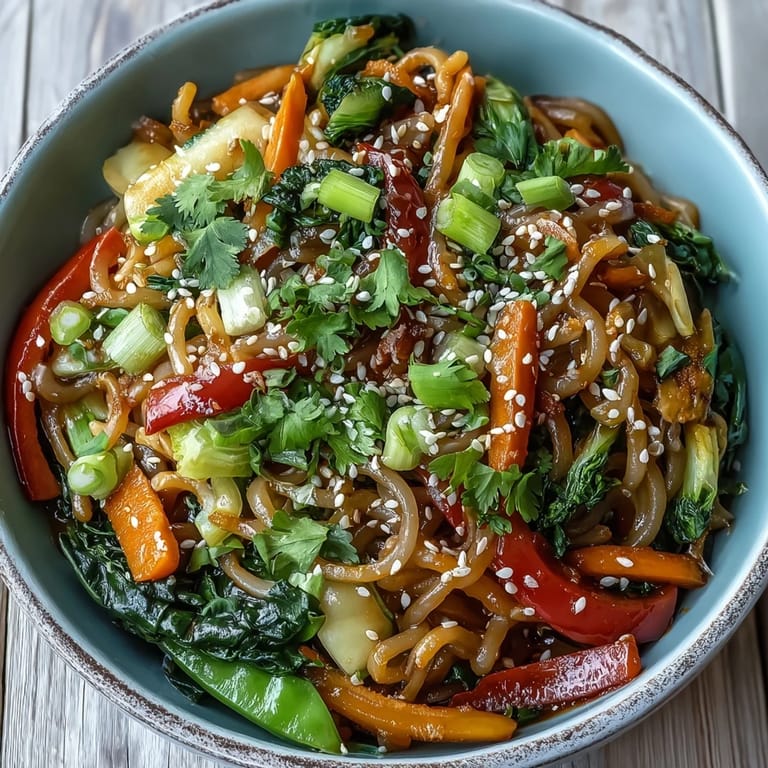
- Divide between bowls and shower the top with sesame seeds, remaining green onions, and cilantro or basil if you're using it. A squeeze of fresh lime right before eating takes it from good to unforgettable.
 Pin it
 Last month I made this bowl for my partner on a random weeknight when we were both exhausted, and somehow it felt celebratory instead of sad—proof that good food isn't about occasion, it's about intention. We sat there in comfortable silence, twirling noodles, and I realized how often this bowl has become our reset button.
Why Shirataki Works Here
The first time I tried shirataki noodles they were drowning in some sad cream sauce at a restaurant, and I wrote them off as a fad that wouldn't stick around. But in this bright, ginger-forward bowl they shine—they're neutral enough to let the sauce be the star, but textured enough to feel substantial. They don't absorb liquid in a mushy way; they hold it like a proper noodle would, which makes all the difference between a dish that feels like deprivation and one that feels like choice.
The Ginger Sauce That Changes Everything
This sauce is less a recipe and more a ratio you'll memorize after the first time you make it, which means you can adapt it freely based on what you have and what you're craving. One afternoon I swapped rice vinegar for lime juice and added a splash of coconut aminos instead of half the tamari, and it tasted like a completely different meal—still brilliant, just tilted toward something new. The secret is that balance between salt, acid, and fat; get those three right and you can shift the other players around and always land somewhere delicious.
Vegetables Are Your Playground
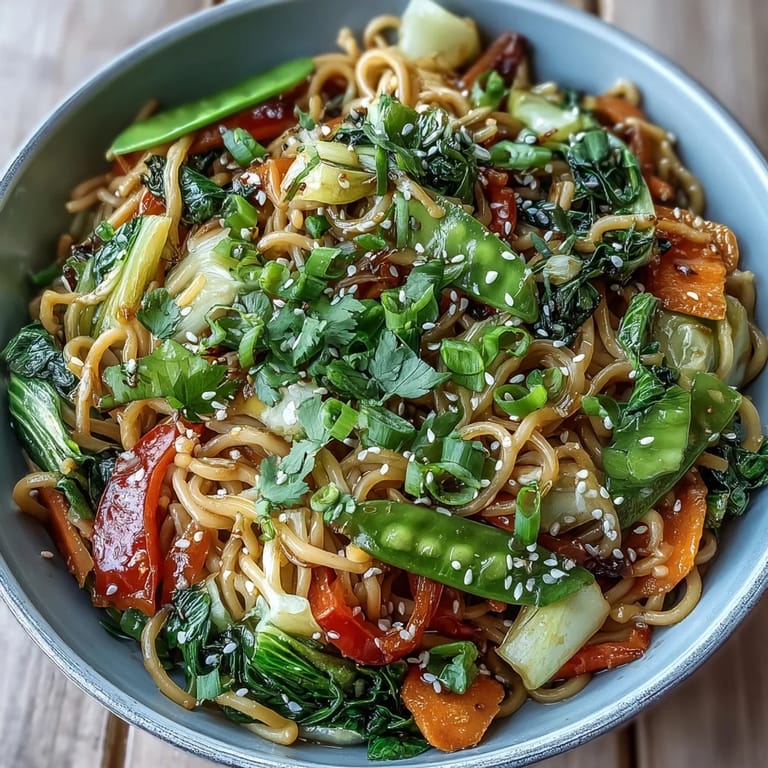
The vegetables listed here are my go-to combination, but I've made this bowl with broccoli florets, sliced mushrooms, baby spinach, snap peas, and even leftover roasted cauliflower, all of which worked beautifully. The real skill isn't following my list exactly—it's knowing that you need something crunchy, something leafy, and something a bit sweet to keep the bowl interesting and balanced. If you're using thicker vegetables like broccoli or cauliflower, just give them an extra minute in the heat so they're tender enough to eat without fighting back.
- Keep everything thinly sliced or cut small so everything cooks at roughly the same speed.
- Cold vegetables from the fridge are fine; they'll warm through instantly in the hot pan.
- Add your vegetables in the order they'll take longest to cook, or stagger them like I do here—it takes one extra minute of attention but ensures nothing gets overdone.
 Pin it
 This bowl has quietly become the recipe I reach for when I want to eat well without thinking too hard about it. Whether you're cutting carbs, trying to eat more vegetables, or just hungry for something that tastes exactly like this—bright and warming and finished in 25 minutes—it deserves a permanent spot in your rotation.
Recipe Q&A
- → Do shirataki noodles need special preparation?
Yes, drain and rinse shirataki noodles thoroughly under cold water, then boil for 2 minutes to remove their natural aroma. Pat them dry with paper towels before cooking to help them absorb the sauce better.
- → Can I add protein to this noodle bowl?
Absolutely. Grilled tofu, tempeh, or edamame work well for vegan options. Cooked shrimp or shredded chicken also complement the Asian flavors nicely. Add your protein during the last few minutes of cooking.
- → What vegetables can I substitute?
Broccoli florets, sliced mushrooms, snap peas, or shredded cabbage all work beautifully. Use whatever crisp vegetables you have on hand—the stir-fry method works with most Asian-style vegetables.
- → Is the ginger sauce spicy?
The sauce has a gentle warmth from fresh ginger and optional chili flakes. Adjust the heat by adding more or less chili flakes, or omit them entirely for a milder version children will enjoy.
- → How long do leftovers keep?
Store in an airtight container in the refrigerator for up to 3 days. The noodles may soften slightly—reheat gently in a skillet or enjoy cold as a noodle salad. Add fresh herbs just before serving.
- → Can I make the sauce ahead of time?
Yes, whisk the sauce ingredients together and store in a sealed jar in the refrigerator for up to a week. The flavors actually develop and meld together over time, making it even more delicious.