 Pin it
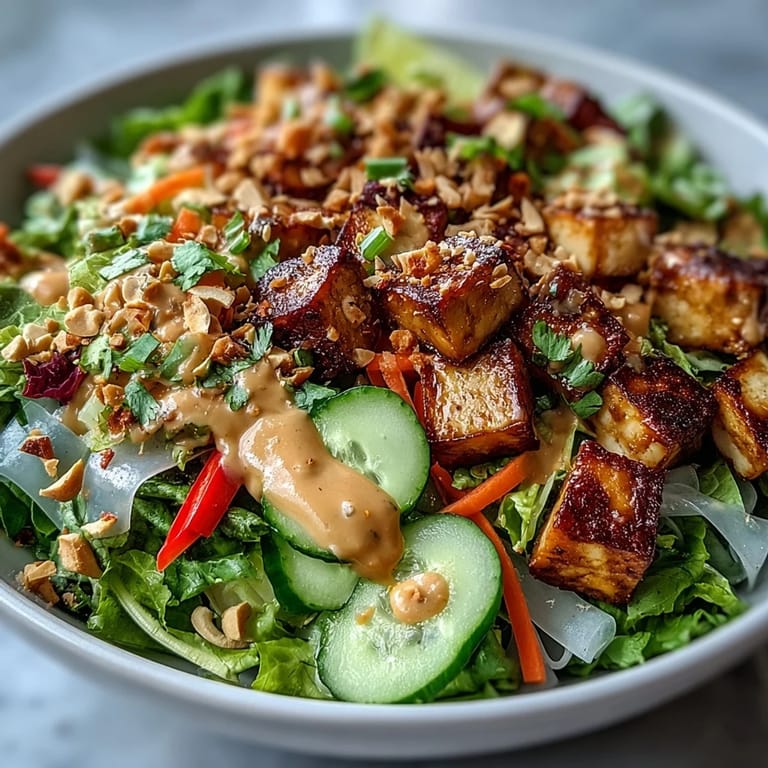
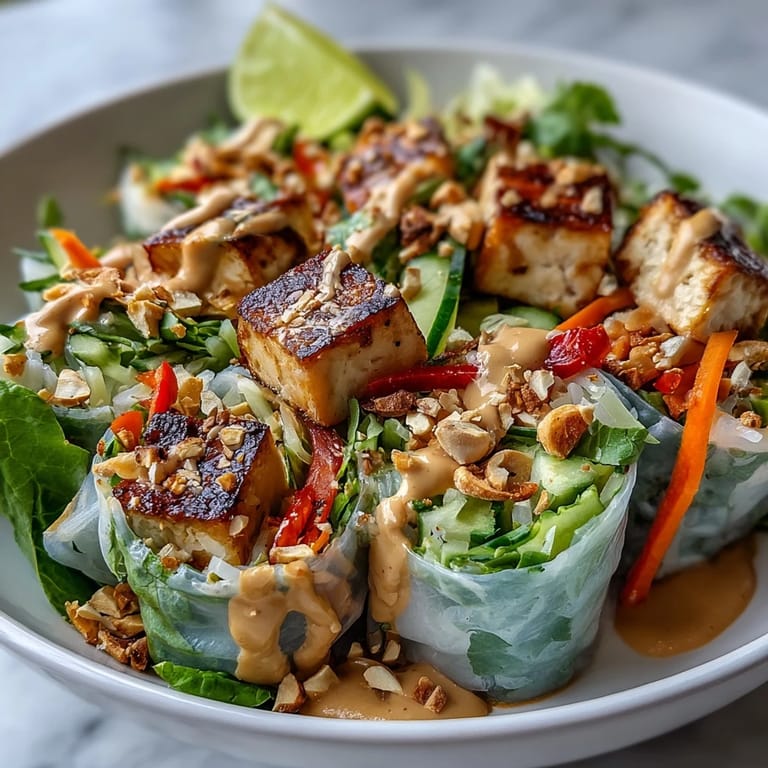
 There's something wonderfully freeing about a bowl that doesn't ask you to roll, fold, or wrestle with rice paper. My first attempt at deconstructing spring rolls happened on a Tuesday when I was running late and impatient, standing in my kitchen with softened rice paper sheets that kept tearing. Instead of frustration, I had a revelation: why not just break them up intentionally? The result was this vibrant, textured bowl that somehow feels more generous and approachable than the traditional version, with every element still tasting like home.
I made this for my sister on a humid summer afternoon when she was recovering from foot surgery and couldn't stand for long. She sat at my kitchen counter while I arranged everything in bowls, and watching her face light up as she tasted it reminded me that the best meals aren't always the complicated ones—they're the ones that show up when you need them, vibrant and unfussy and exactly right.
Ingredients
- Rice paper: These translucent sheets become wonderfully chewy when softened, then shatter into delicate shards that add an unexpected textural element without the fiddly rolling involved in traditional spring rolls.
- Jasmine rice or vermicelli noodles: The foundation that makes this feel substantial enough for lunch or dinner; jasmine rice adds mild floral notes while noodles keep things lighter.
- Protein choice (chicken, tofu, or shrimp): Any of these three works beautifully, though I've found that properly pressed tofu absorbs the sauce better than anything else, and grilled chicken develops a subtle char that carries through the whole bowl.
- Fresh vegetables (carrot, cucumber, bell pepper, cabbage): The julienne cuts matter here—they should be thin enough to feel delicate but substantial enough to give you something to hold onto with each bite.
- Salad greens, mint, and cilantro: These aren't garnishes; they're the flavor backbone that keeps the bowl bright and prevents it from feeling heavy, no matter which protein you choose.
- Peanut sauce components: The combination of peanut butter with hoisin, soy, and rice vinegar creates an umami-rich sauce that tastes restaurant-quality, and the lime juice at the end prevents it from ever feeling cloying.
- Roasted peanuts and fried shallots: These are the crunch factor that makes the whole experience sing, though fried shallots are optional if you're avoiding extra fat or just don't have them on hand.
Tired of Takeout? 🥡
Get 10 meals you can make faster than delivery arrives. Seriously.
One email. No spam. Unsubscribe anytime.
Instructions
- Soften and shred the rice paper:
- Fill a shallow dish with warm water and work quickly—each sheet only needs 5 to 10 seconds of submersion before it becomes pliable and ready to tear. The warmth matters; cold water takes longer and leaves them brittle, so this is worth paying attention to.
- Cook your protein:
- Whether you're grilling chicken, pan-frying tofu, or using cooked shrimp, the key is getting good color and seasoning the surface generously. Let everything cool slightly before slicing or cubing so you're not burning your fingers during assembly.
- Prep all vegetables with intention:
- A sharp knife and a steady hand make the julienne cuts feel effortless; dull knives slip and crush instead of slicing cleanly. Wash and dry everything thoroughly so there's no excess water diluting your sauce later.
- Build the peanut sauce with balance:
- Whisk the peanut butter, soy, and hoisin together first, then add the acidic elements (vinegar and lime) so they brighten everything without making it too thin too fast. Add warm water gradually, tasting as you go—the sauce should coat a spoon but still flow freely.
- Layer and assemble with thoughtfulness:
- Start with rice or noodles, then add the rice paper shards so they stay crispy against the warm base. Top with vegetables, herbs, and protein in layers that feel balanced, so each spoonful includes something from every component.
- Finish and serve immediately:
- Drizzle the sauce generously over everything, then scatter peanuts and shallots on top so they maintain their crunch. Lime wedges on the side let everyone adjust the brightness to their preference.
 Pin it
 There's a moment when everyone at the table goes quiet except for the sound of spoons scraping bowls, and you know you've created something that landed exactly right. This bowl has that effect, somehow managing to feel both light enough for a summer lunch and substantial enough to actually fill you up.
The Joy of Deconstructed Meals
Deconstructed dishes get a bad reputation for being pretentious, but the real magic is in permission—permission to eat in the way that makes sense for your hands, your hunger, and your mood on any given day. This bowl is forgiving in ways that a carefully rolled spring roll never can be, and that generosity is part of why it's become such a reliable favorite in my kitchen.
Building Depth with Simple Ingredients
What surprised me most about developing this recipe was how much complexity comes from combining very simple, clean ingredients without any pretense. The peanut sauce teaches you something important: a combination of salty (soy), sweet (hoisin), nutty (peanut butter), tangy (vinegar and lime), and optionally spicy (sriracha) will always taste like more than the sum of its parts.
Flexibility Without Losing Identity
This dish has become something I make for almost every occasion because it adapts so willingly to what's available or what people need. I've made versions with leftover roasted vegetables, with avocado stirred into the sauce instead of lime juice, with pickled daikon for extra brightness, and somehow every variation still tastes unmistakably like itself.
- Keep rice paper on hand at all times because they store indefinitely and open up endless possibilities beyond just this bowl.
- Double the peanut sauce because someone will always ask for more, and it keeps beautifully in the refrigerator for at least a week.
- Toast your own peanuts if you have time; the flavor difference justifies the extra 10 minutes, and your kitchen will smell incredible while they're roasting.
 Pin it
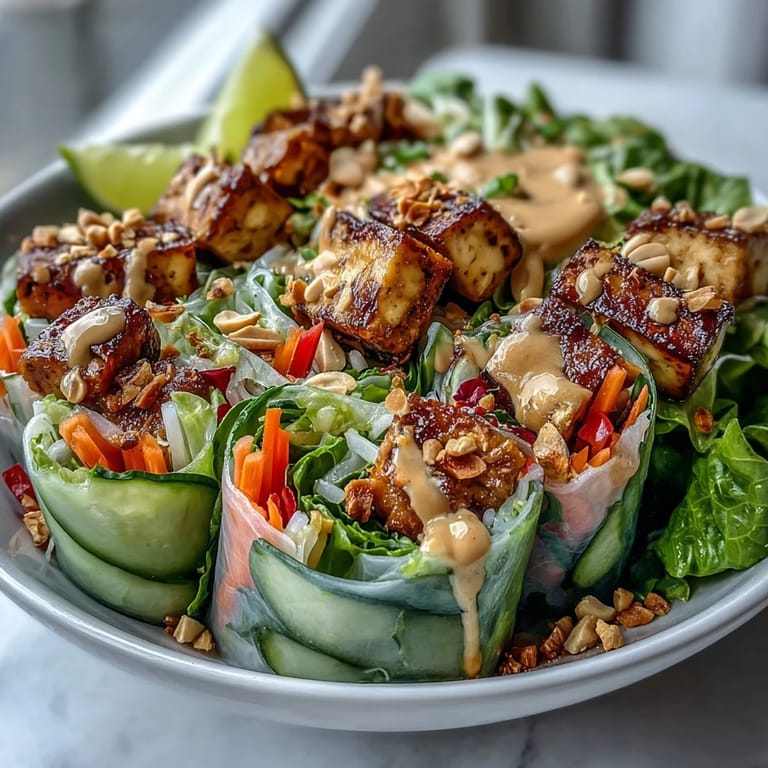
 This bowl taught me that sometimes the best kitchen innovations come from impatience and small mistakes, and that the most satisfying meals are often the ones that show up without fuss. It's become the dish I reach for when I want to feel like I'm feeding people something special without actually stressing about it.
Recipe Q&A
- → Can I make this bowl ahead of time?
Yes, prepare vegetables and sauce up to 2 days in advance. Store components separately and assemble just before serving to maintain crisp textures.
- → What's the best protein for this bowl?
Grilled chicken adds hearty substance, tofu provides plant-based protein that absorbs flavors beautifully, and shrimp offers quick cooking with a delicate sweetness complementing the fresh vegetables.
- → How do I prevent rice paper from getting soggy?
Cut rice paper just before assembling and toss with ingredients immediately. The strips soften slightly while absorbing the peanut sauce, creating a pleasant texture similar to traditional spring rolls.
- → Can I adjust the peanut sauce consistency?
Absolutely. Add warm water one tablespoon at a time for a thinner, drizzle-friendly consistency, or reduce liquid for a thicker dipping-style sauce that clings to vegetables and protein.
- → What vegetables work best in this bowl?
Julienne-cut carrots and cucumber provide essential crunch, while red cabbage adds vibrant color. Bell peppers, fresh herbs, and mixed greens round out the vegetable base with varied textures and flavors.
- → Is this suitable for meal prep?
Perfect for meal prep. Store cooked protein, cut vegetables, sauce, and rice paper strips in separate containers. Assemble individual portions throughout the week for quick, satisfying lunches.