 Pin it
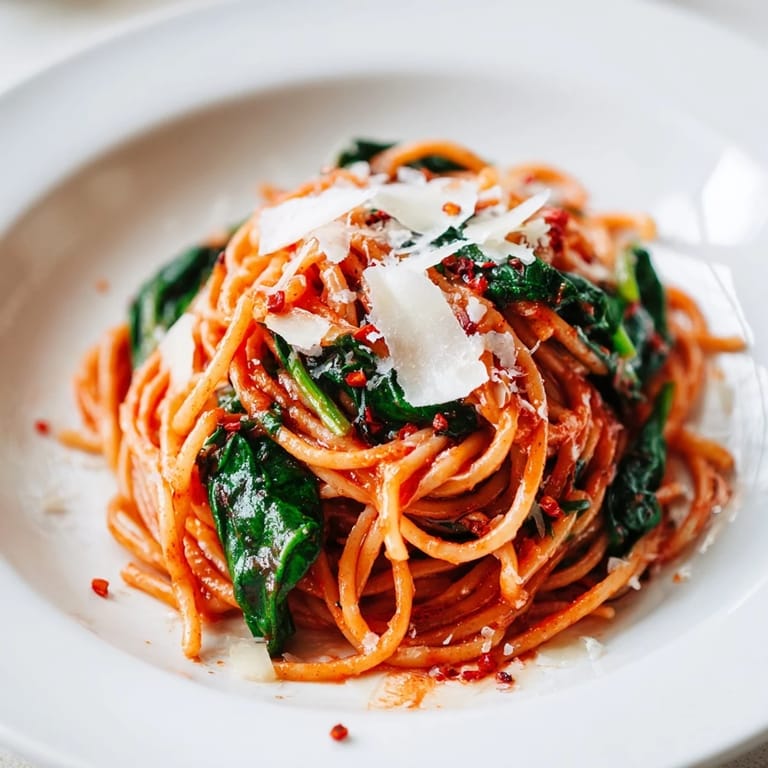
 There's something magical about the smell of garlic hitting hot oil on a Tuesday night when you've got fifteen minutes before everyone's hungry. I discovered this pasta during one of those chaotic evenings when I opened my pantry and found a jar of marinara staring back at me, a bag of spinach that needed rescuing, and absolutely no fancy ingredients to work with. What came together was so bright and simple that it became my answer to every night I wanted comfort without the fuss.
My daughter once asked why this tasted different every time I made it, and I realized it was because I changed my mood with it—some nights it's a quick survival dinner, other nights I linger over it with fresh basil and extra Parmesan like it's something special. She was right to notice, because there's something about simplicity that lets you pour yourself into it differently each time.
Ingredients
- Spaghetti or penne, 12 oz: The shape doesn't matter as much as cooking it just shy of soft, where it still has a whisper of resistance when you bite it.
- Olive oil, 2 tbsp: This is your flavor foundation, so use one you actually like tasting on its own.
- Garlic, 3 cloves minced: The moment it smells sweet and fragrant, stop—overcooked garlic turns bitter and ruins the whole thing.
- Jarred marinara sauce, 24 oz: Pick one with ingredients you recognize; some brands add sugar, so taste as you go and adjust seasoning if needed.
- Fresh baby spinach, 5 oz: The tender leaves wilt down to almost nothing, but they bring iron and brightness that transforms the sauce from plain to purposeful.
- Red pepper flakes, 1/2 tsp (optional): A whisper of heat wakes everything up, but leave it out if you're cooking for someone who doesn't like surprises.
- Black pepper and Parmesan cheese: Freshly ground pepper matters here because pre-ground tastes like dust; the Parmesan adds salty umami that makes the dish feel complete.
Tired of Takeout? 🥡
Get 10 meals you can make faster than delivery arrives. Seriously.
One email. No spam. Unsubscribe anytime.
Instructions
- Get your water boiling:
- Fill a large pot with enough water that the pasta has room to move around freely. Salt it generously—it should taste like sea water. This is your only chance to season the pasta itself.
- Start the sauce:
- While waiting for water, pour olive oil into a skillet over medium heat and listen for it to shimmer slightly. Add minced garlic and let it perfume the oil for about 30 seconds, stirring constantly so it doesn't brown.
- Build flavor:
- Pour in the marinara and sprinkle red pepper flakes if you're using them. Let it bubble gently while your pasta cooks, stirring occasionally so the bottom doesn't stick or scorch.
- Cook the pasta:
- Drop pasta into the boiling water and set a timer for what the box says, then check a minute before. You want it tender but still with a slight firmness when you bite it—that's al dente.
- Wilt the spinach:
- When the pasta's almost done, stir the fresh spinach into the warm sauce in handfuls. It looks like too much at first, then suddenly it shrinks down into silky ribbons.
- Bring them together:
- Drain the pasta, reserving half a cup of cooking water for later. Toss the hot pasta directly into the sauce, stirring gently so everything gets coated. If it looks dry, add splashes of pasta water until the sauce moves freely but still clings to the noodles.
- Finish and taste:
- Stir in Parmesan cheese, crack fresh pepper over everything, and taste. Season more if needed—salt from the pasta water might be enough, but your sauce should make you happy.
 Pin it
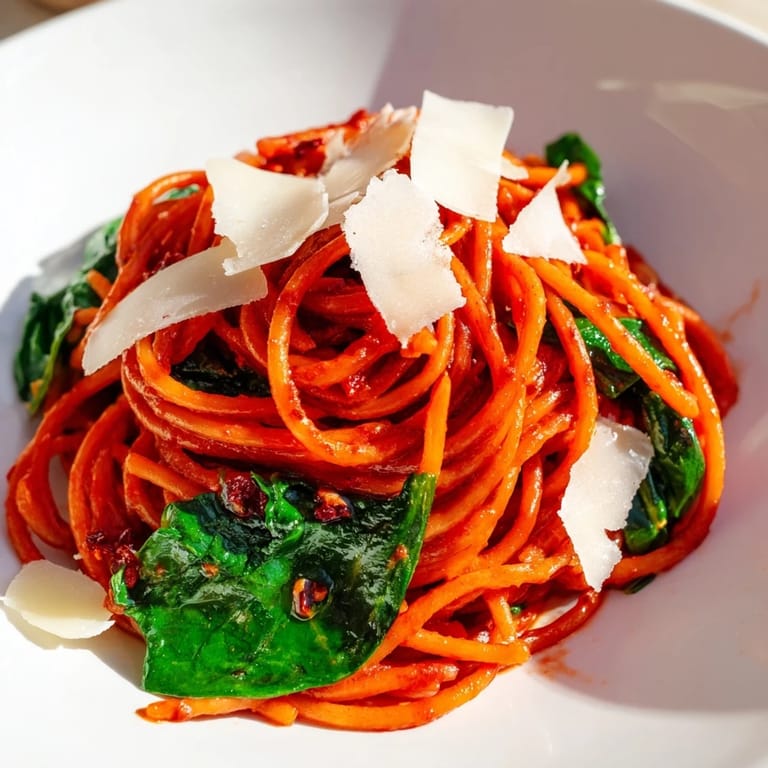
 One rainy afternoon I made this for a friend who was having a terrible week, and watching her face shift from stressed to genuinely comforted as she ate told me everything about why simple food matters. It wasn't fancy, but it was exactly what she needed in that moment.
Making It Work for Your Kitchen
This recipe is endlessly forgiving because marinara sauce does most of the heavy lifting for you. You can keep dried pasta and jarred sauce on hand indefinitely, so fresh spinach is your only real ingredient that needs attention. Some nights I add a handful of cooked chickpeas for protein without changing the feel of the dish, and other times I roast some mushrooms the day before so they're ready to toss in.
Timing and Temperature Matter
Everything happens at medium heat, which means nothing burns and your kitchen doesn't turn into a sauna. The whole process is genuinely quick because you're not reducing sauce for hours or building complicated layers—you're letting quality ingredients speak for themselves. Once you start cooking the pasta, you've got about 12 minutes before everything needs to come together, so it's actually possible to set the table and prepare yourself mentally before dinner rather than scrambling.
Variations That Still Feel Right
The beauty of this dish is that it's a template your hands instinctively know how to adjust. I've made it with kale instead of spinach when that's what I had, thrown in white beans when someone needed more substance, or stirred through some sautéed mushrooms when I wanted earthy depth. The core stays the same, but it bends to whatever you actually have and whatever you're actually craving.
- Stir in cooked white beans or lentils for protein and heartiness without changing the cooking time.
- Sauté mushrooms or zucchini separately and toss them in at the end for more vegetables and texture.
- Use gluten-free pasta or make it vegan with nutritional yeast instead of Parmesan—the sauce carries the dish either way.
 Pin it
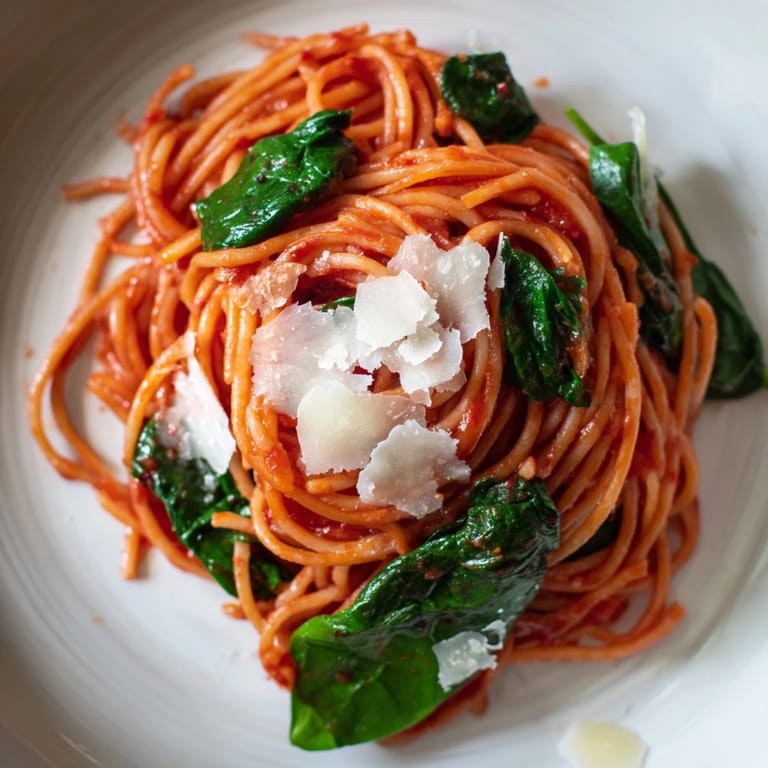
 This pasta reminds me that the best meals aren't always the complicated ones—sometimes it's just the ones where you actually show up and pay attention. Make it tonight and know that you've got something honest and good on the table in less time than it takes to order.